Loading...
Serving East Moline, IL and surrounding areas. (309) 865-0097
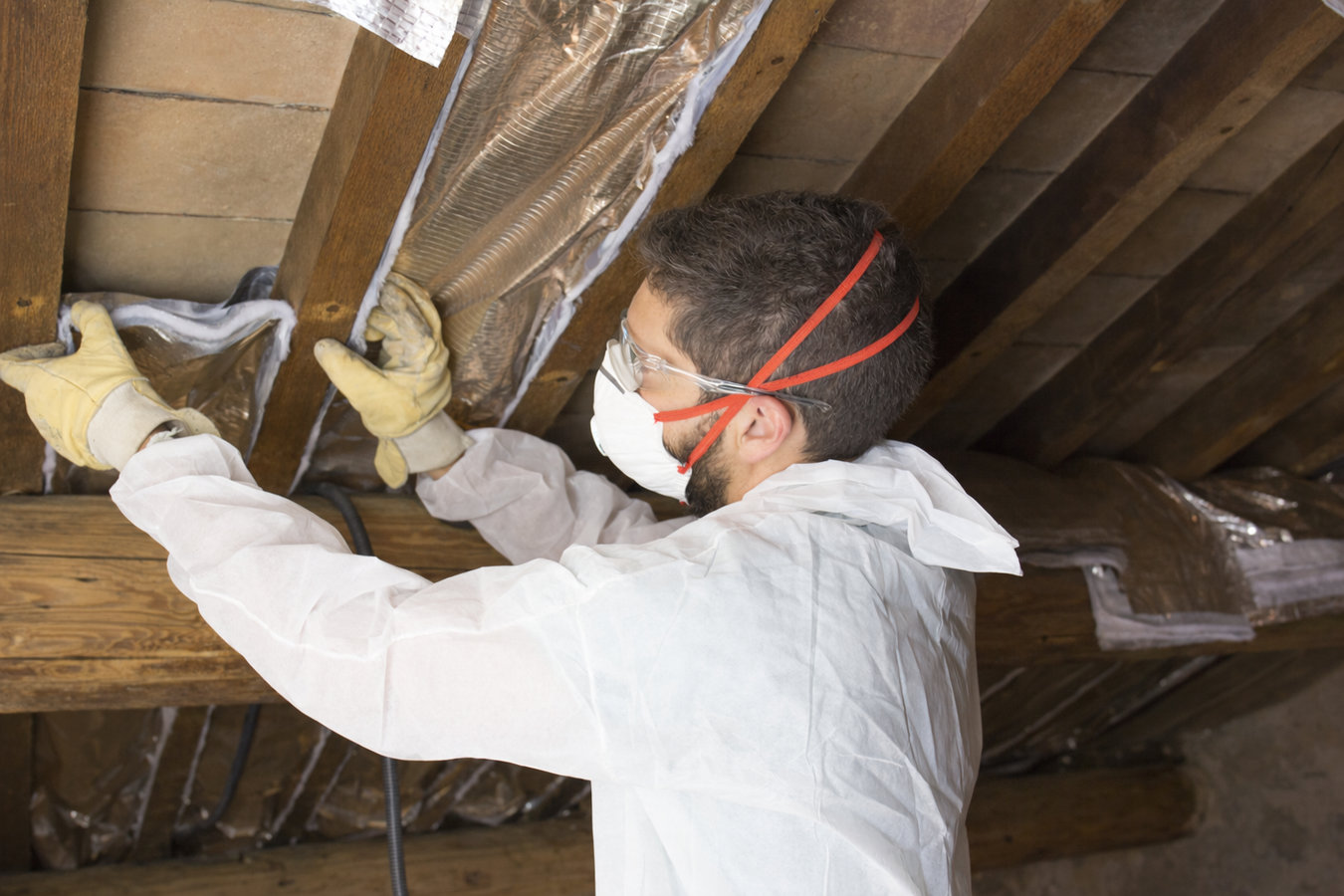
Hidden gaps in your attic leak warm air all winter and cool air all summer. We find every opening and seal it so your home holds its temperature and your heating costs stop climbing.
Attic air sealing in East Moline means finding and closing the gaps, cracks, and hidden openings in your attic floor that let heated or cooled air escape from your living space - most jobs take one to two days, and homeowners typically notice fewer drafts and lower bills within the first cold season after the work is done.
The attic is the single biggest source of air leakage in most homes - more than windows, doors, or walls combined. Warm air rises and finds every small gap around light fixtures, plumbing pipes, electrical wires, and the tops of interior walls. In East Moline, where January temperatures regularly drop into the single digits, that air movement forces your furnace to run almost continuously trying to replace the heat that keeps escaping above your ceiling. Sealing those pathways is often the most cost-effective improvement a homeowner can make before adding or replacing insulation.
Air sealing and insulation work together - sealing stops the air movement that bypasses insulation entirely. If you are also considering adding material above your attic floor, our retrofit insulation service covers how to upgrade the thermal layer after the gaps are closed.
East Moline winters are long and cold, and if your gas bill climbs sharply as soon as the temperature drops, warm air is likely escaping through your attic faster than your furnace can replace it. A well-sealed attic holds heat in - homes with significant air leaks work their heating systems much harder than they should. If your bills feel out of proportion to the size of your home, attic leakage is one of the first things worth checking.
In older East Moline homes - especially those built before the 1970s - the tops of interior walls connect directly to the attic, creating a hidden pathway for cold air to flow down into your living space. If you notice cold spots near the ceiling in upstairs bedrooms, or a chill that seems to come from above rather than from a window, that is a classic sign of attic air leakage. It tends to get worse on windy days.
Ice dams are ridges of ice that build up along the edge of your roof after a snowfall. They happen when warm air escaping through your attic melts snow on the upper roof, and that water refreezes at the cold eaves. East Moline gets enough winter snowfall that ice dams are a real and recurring problem for homes with poor attic sealing - and they can cause water damage to ceilings and walls if left unaddressed.
Light fixtures recessed flush into the ceiling are one of the most common attic leak points in older homes. If you notice dust rings forming around those fixtures, or if the air near them feels noticeably different in temperature, air is moving through gaps around the fixture housing above. A contractor can seal those openings from the attic side without touching your ceiling or light fixtures.
We work systematically across the entire attic floor, sealing gaps around plumbing pipes, electrical wires, recessed light fixture housings, chimneys, and - critically - the tops of interior walls, which are major leak points in older homes that contractors often skip. We use spray foam, caulk, and fire-rated materials depending on what each opening requires. If existing insulation covers the areas we need to reach, we move it temporarily and replace it after sealing is complete. The work is done entirely above your ceiling, and your living space stays untouched throughout the process.
For homeowners who want a measurable result, we offer before-and-after blower door testing - a pressurization test that shows exactly how much air leakage has been reduced. That number is your proof the work was done right, not just our word. Many homeowners pair attic air sealing with a broader whole-home air sealing approach that also addresses basement rim joists and wall penetrations. Both projects can be scoped together during a single assessment visit.
Best for homes where pipes, wires, and light fixtures have created dozens of small gaps over decades - the most common situation in East Moline's older housing stock.
Best for homes built before the 1980s where the tops of interior walls open directly into the attic, creating significant hidden air movement that standard insulation alone cannot stop.
Best for homes with masonry chimneys or unused flues where gaps between the flue and surrounding framing allow substantial air exchange between the attic and living space.
Best for homeowners who want to address both the air pathway and the thermal layer in a single project, bundling sealing and blown-in insulation for greater combined energy savings.
East Moline sits in the Quad Cities region, where average January temperatures regularly drop into the single digits and wind chills push well below zero. That kind of cold puts enormous pressure on any gap in your home - warm air rushes out and cold air rushes in faster than in milder climates. A significant share of East Moline neighborhoods were built between the 1920s and 1960s, long before modern energy codes required air sealing as part of construction. Homes of that era were built with little thought given to air barriers, and decades of settling, renovation, and added wiring or plumbing have created dozens of small gaps that add up to a large total leak. If your home is more than 40 years old, there is a very good chance it has never been properly air sealed.
The Quad Cities region also experiences significant humidity in summer and repeated freeze-thaw cycles in winter, which can stress sealing materials over time - which is why using materials rated for temperature extremes matters here. We serve homeowners throughout the metro, including customers in Moline and Rock Island, where the same older housing stock and cold-climate challenges apply. For guidance on sealing standards and energy savings, the U.S. Department of Energy air sealing resource and ENERGY STAR Seal and Insulate both provide clear homeowner guidance on what good work looks like.
We ask a few basic questions about your home - its age, any insulation work done before, and what you have noticed. We reply within 1 business day and schedule an in-home assessment, not a sales visit.
A technician inspects your attic through the access hatch, identifies all the main leak points, and often runs a blower door test to measure total air leakage. You receive a written estimate before any work begins - no surprises.
Once you agree to move forward, we schedule the project - usually within a few weeks. Your only preparation is making sure the attic hatch is accessible. You do not need to move furniture or leave your home.
The technician works systematically across the attic floor, sealing every opening. After sealing, many jobs include a second blower door test to confirm leakage was reduced. We walk you through what was found and sealed before we leave.
Free estimate, written quote, no pressure. We reply within 1 business day.
(309) 865-0097We measure air leakage before we start and again after we finish. That before-and-after number is your proof the work delivered real results - not just a visual inspection and our word for it.
East Moline is served by Ameren Illinois, which offers rebates for qualifying air sealing work. We know the program and handle most of the paperwork for you, so the rebate actually gets processed rather than sitting in a pile.
The Quad Cities region sees significant temperature swings and humidity cycles year-round. We use spray foam, caulk, and fire-rated products rated for these conditions - so the seals hold through decades of Illinois winters, not just the first season.
We have worked on older homes across East Moline and the surrounding metro since 2016. We know the common gap locations in homes of this era - the wall cavity tops, the older chimney chases, the original recessed fixtures - and we do not skip them.
Every one of those points comes back to the same thing: you should be able to verify that the work was done right, not just take a contractor at their word. We build that verification into every attic air sealing project we take on in East Moline.
Add insulation to your existing home without a major renovation - the logical next step after your attic gaps are sealed.
Learn MoreWhole-home air sealing that addresses leaks in walls, basement rim joists, and other areas beyond the attic.
Learn MoreWinter schedules fill up fast - lock in your appointment now and start the heating season with a sealed, efficient attic.