Loading...
Serving East Moline, IL and surrounding areas. (309) 865-0097
East Moline Insulation provides attic insulation, spray foam, and commercial insulation to Davenport, Iowa homeowners and businesses - local crews, free written estimates, and service to the full city from the riverfront neighborhoods to the west-side subdivisions, serving the area since 2016.
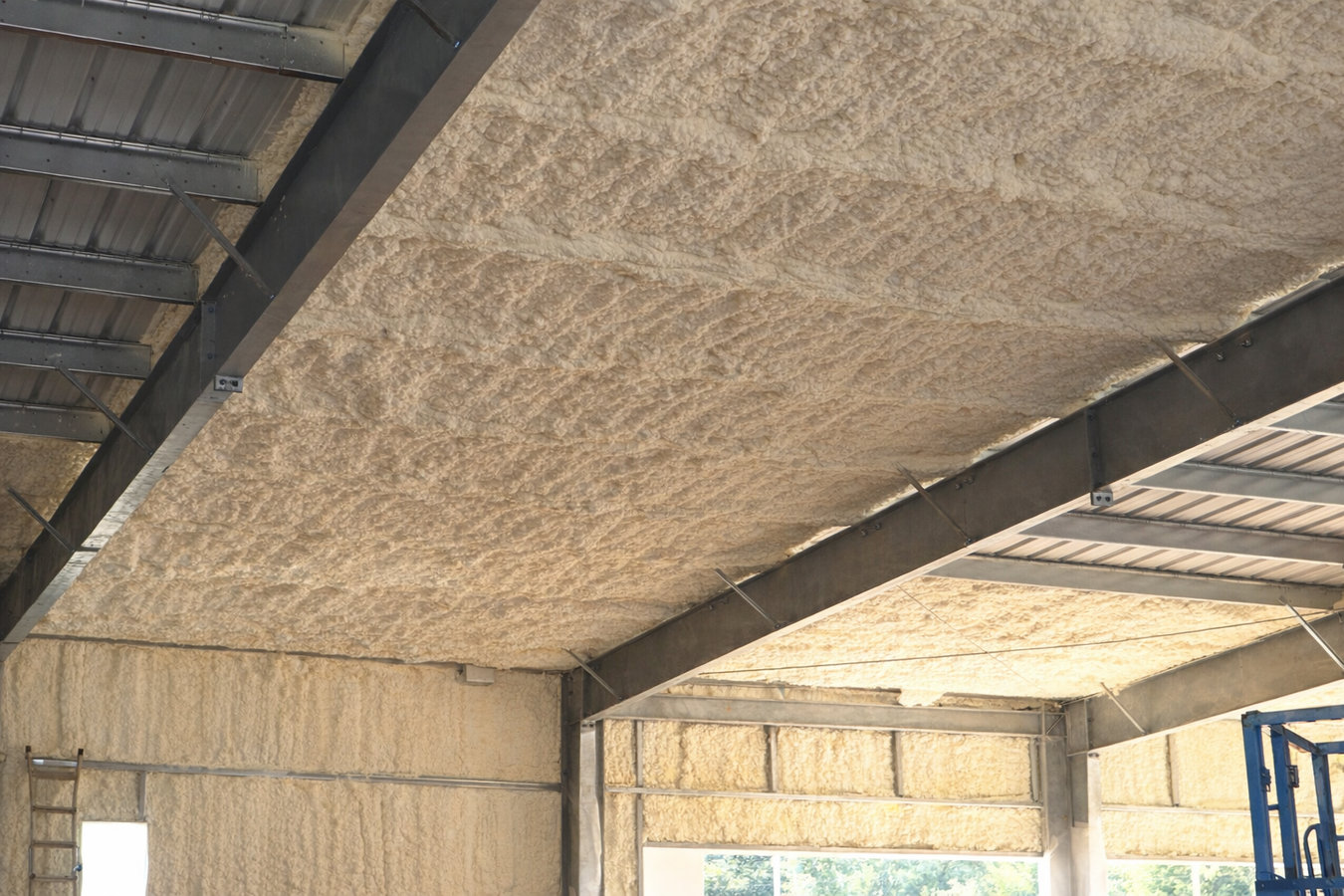
Davenport has a significant commercial sector along Kimberly Road and the riverfront corridor, including warehouses, light manufacturing, and multi-unit residential buildings. Commercial insulation for Davenport businesses reduces operating costs year-round and meets Iowa energy code requirements for commercial construction.
A large share of Davenport's housing stock predates modern energy codes, and attics in the city's older riverfront and Hamburg Historic District neighborhoods routinely have insulation levels well below current Iowa recommendations. Upgrading to R-49 stops heat from escaping through the roof deck each winter and keeps upper-floor rooms comfortable in summer.
Davenport's older brick homes have foundation walls and rim joists that were never sealed against air movement. Closed-cell spray foam applied to rim joists and basement walls seals air infiltration and provides thermal protection in a single step - important in a city where January temperatures regularly fall below 10 degrees Fahrenheit.
Blown-in cellulose or fiberglass is the right tool for Davenport attics because it fills irregular framing completely without disturbing existing finishes. For the city's older Queen Anne and Craftsman bungalow homes, dense-pack blown-in into wall cavities adds coverage without touching period interior woodwork.
Davenport sits on Mississippi River clay soil that holds water after every rain and push moisture toward foundation walls. Insulating basement walls and sealing rim joists keeps the lowest level of the home dry and thermally protected, reducing the cold-floor and damp-basement problems that are common in the city's older homes.
Homes built before 1970 in Davenport were constructed before airtight building techniques became standard. Gaps around plumbing penetrations, attic hatches, and exterior wall framing let conditioned air escape constantly. Air sealing these points before or alongside insulation work ensures the full thermal benefit of any upgrade is realized inside the home.
Davenport is the largest city in the Quad Cities and has a housing stock that spans more than a century. Homes near downtown and the riverfront - including large Victorians, Craftsman bungalows, and two-story foursquares in the Hamburg Historic District - were built between 1880 and 1940 with plaster walls, uninsulated attics, and foundations made from stone or early-era concrete. These homes face a demanding climate: the National Weather Service Quad Cities office records average January temperatures in the low 20s with wind chills that make it feel far colder. Frost depth in this part of Iowa regularly reaches 40 inches during a hard winter, and homes that have never been properly insulated pay for it with high heating bills every single season.
The north and west sides of Davenport have a different set of challenges. Ranch homes and split-levels built in the 1950s through 1970s have full basements and low-pitched attics with original insulation that has settled and degraded over decades. Clay-heavy soil throughout the Davenport area holds water after rain rather than draining it, which raises groundwater levels each spring and pushes moisture toward basement walls. Homes in low-lying areas near the Mississippi River are especially familiar with this pattern. Whether the problem is a 120-year-old brick home near Modern Woodmen Park or a 1960s ranch on the north side, the underlying need is the same: better thermal coverage and tighter air control.
Our crew works throughout Davenport regularly, and we understand the local conditions that affect insulation work here. The variety of housing types across the city - from century-old brick homes downtown to postwar ranches on the north side and newer vinyl-sided construction near the Pleasant Valley corridor on the west end - means our team arrives already familiar with what different neighborhoods look like under the roof and inside the walls. We have worked on every major Davenport housing type and know what each one typically needs.
Davenport runs along the Iowa bank of the Mississippi, and the river shapes the city's character in practical ways that affect our work. The low-lying areas near the Davenport Riverfront see elevated groundwater in wet springs, which drives demand for basement insulation and vapor protection. Homes in and around the Hamburg Historic District - which the City of Davenport Historic Preservation program oversees - call for an approach that respects existing materials while adding meaningful thermal performance.
Davenport neighbors several communities we serve regularly. Homeowners in Bettendorf to the east and in Coal Valley across the river call us for the same kinds of attic and basement upgrades we handle throughout Davenport. We work across the state line without adding extra cost or scheduling delays.
Reach us by phone at (309) 865-0097 or submit a request through our contact form. We reply within one business day and schedule your on-site estimate at a time that works for your schedule.
A crew member visits your Davenport home, checks current insulation levels, and identifies air sealing needs. You receive a written estimate before we discuss scheduling - no pressure, no surprise costs added later.
Our crew arrives on schedule and installs the agreed scope of work. Most attic jobs are done in a single day. You can stay in your home throughout - no need to relocate or clear out entire rooms.
When the work is done, we walk you through what was installed, confirm R-values, and leave the job site clean. If any questions come up after we leave, you have a direct line back to our team.
We serve homeowners and businesses throughout Davenport - from the riverfront to the west-side subdivisions. No travel fees, no obligation.
(309) 865-0097Davenport is the largest city in the Quad Cities metro area, with roughly 101,000 residents along the north bank of the Mississippi River in Scott County, Iowa. It is the third-largest city in Iowa overall. The city is organized into distinct neighborhoods that reflect its long history: the Hamburg Historic District near downtown contains blocks of Victorian and Craftsman homes that date from the 1880s through the 1920s, while neighborhoods closer to Modern Woodmen Park - the home stadium of the Quad Cities River Bandits, one of the oldest ballparks in professional baseball - have a mix of foursquares, bungalows, and postwar infill. The north and west sides of the city are dominated by ranch homes and split-levels from the 1950s through 1970s, with newer subdivisions appearing near the Pleasant Valley area on the far west end.
Homeownership in Davenport runs at about 57 percent, and major employers include Genesis Health System, the Rock Island Arsenal just across the river, and several large manufacturing operations. The population is stable and long-tenured - many residents own their homes for decades, which drives consistent demand for repair and upgrade work as houses age. Neighboring communities our crews serve regularly include Bettendorf to the east along the river and Rock Island across the bridge into Illinois.
Creates an airtight seal that dramatically cuts heating and cooling costs.
Learn MoreFills every gap and cavity for consistent, whole-home thermal coverage.
Learn MoreHigh-density foam that adds structural strength along with superior R-value.
Learn MoreLightweight expanding foam ideal for interior walls and sound control.
Learn MoreCommercial-grade insulation solutions that meet building codes and cut overhead.
Learn MoreBlocks ground moisture before it damages your home from underneath.
Learn MoreProfessional vapor barrier installation for lasting moisture protection.
Learn MoreUpgrades insulation in existing walls and spaces without major renovation.
Learn MoreDavenport winters are hard on poorly insulated homes - call East Moline Insulation today for a free estimate and start saving on heating costs before next season.