
Loading...
Serving East Moline, IL and surrounding areas. (309) 865-0097
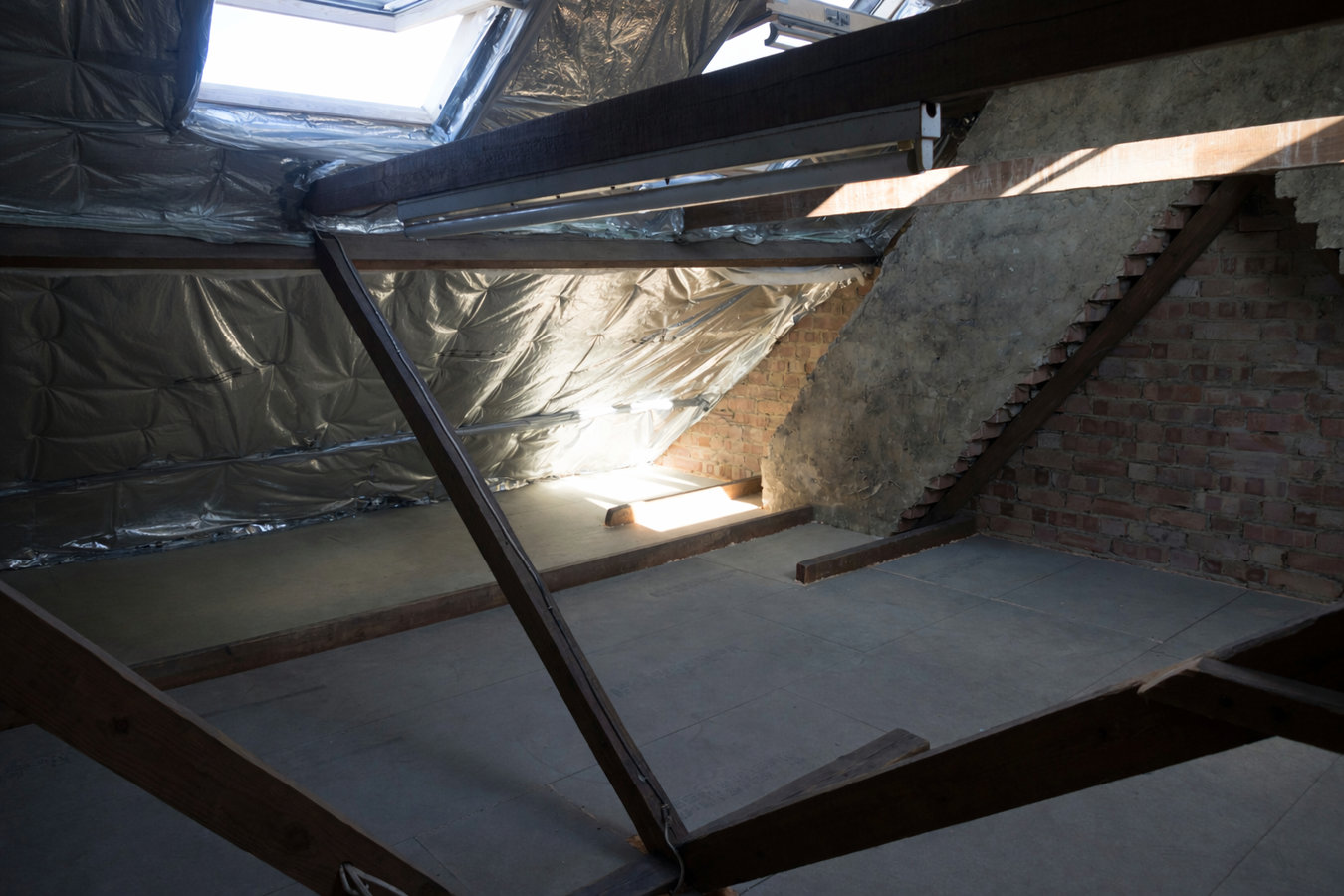
East Moline Insulation provides attic insulation, crawl space insulation, and home insulation services to Hampton homeowners - same-day estimates, local crews, and work backed by a satisfaction guarantee since 2016.
Most Hampton homes were built before 1980, and original attic insulation in these houses has often settled or compressed well below current R-value targets. Attic insulation upgrades are the single highest-return improvement most Hampton homeowners can make, cutting heating costs and making upstairs rooms stay comfortable even in hard Midwest winters.
Hampton sits along the Mississippi River, and the clay soil throughout the village holds water that works its way into uninsulated crawl spaces under older homes. Crawl space insulation and sealing keeps cold air and ground moisture out of the floor assembly and protects floor joists from long-term rot and damage.
Low-lying Hampton properties near the river face seasonal groundwater rise that pushes moisture up through unprotected crawl space soil. A heavy-mil vapor barrier installed across the crawl space floor blocks this moisture path before it can raise indoor humidity, cause musty odors, or damage wood framing.
Blown-in cellulose or fiberglass is the right material for Hampton attics because it settles into irregular spaces and gaps that batts cannot reach, and it installs quickly without demolishing finished ceilings. For existing wall cavities in older Hampton homes, dense-pack blown-in is a minimally invasive way to add insulation without major renovation work.
Hampton homes built before 1980 have gaps around pipes, wiring penetrations, and framing connections that allow cold air to move freely through the building shell. Air sealing the attic floor and rim joists before adding insulation dramatically improves the effectiveness of every dollar spent on insulation materials.
Hampton homes often need insulation work in multiple areas at once - the attic, the crawl space, and sometimes the rim joist - to see meaningful changes in comfort and energy costs. A whole-home assessment lets us identify where heat is escaping and prioritize the work that will make the biggest difference for your house.
Hampton was incorporated in the 1800s, and most homes in the village were built long before modern energy codes were written. A large share of the housing stock dates from the early to mid-20th century, meaning insulation levels - where original insulation exists at all - fall far short of Illinois current code requirements. The village sits in USDA Hardiness Zone 5b, where winter temperatures regularly drop below 0 degrees and frost penetrates the ground 30 to 40 inches or more. According to the National Weather Service Quad Cities office, this region sees multi-day cold snaps that push heating systems to their limits. Under-insulated attics and unprotected crawl spaces turn those cold snaps into expensive utility bills and uncomfortable rooms.
Hampton's location on the west edge of Rock Island County along the Mississippi River adds a moisture challenge that inland Illinois communities do not face as sharply. The clay-heavy soil in this part of the county retains water, and riverfront properties deal with periodic flooding and seasonal groundwater rise. Older homes without vapor barriers and crawl space insulation are essentially open to whatever moisture level sits in the soil beneath them. Wood-frame construction, which is the standard for nearly every home in Hampton, is vulnerable to rot and structural weakening when exposed to persistent moisture - a problem that starts slow but compounds over years if left unaddressed.
Our crew works throughout Hampton regularly, and we understand the local conditions that affect insulation work here. The village sits just north of Carbon Cliff along Route 84, and nearly all the homes we encounter are pre-1980 single-family wood-frame construction - a property type our team handles every week across Rock Island County. The riverfront location of Hampton means we factor moisture control into every crawl space estimate, not just those where the homeowner already notices a problem.
Hampton borders the Mississippi River, and the village's riverfront character shapes the type of work most homeowners here need. Whether your home sits on a quiet street off Route 84 or closer to the riverbank, we know how the soil conditions and seasonal moisture in this area affect what is happening under and inside your house. The Rock Island Arsenal, visible just a few miles south across the river, is one of the area's defining landmarks and a major employer for many Hampton residents who count on contractors to get jobs done during the workday.
Hampton connects naturally to the rest of the northern Illinois Quad Cities corridor. We regularly serve homeowners in Moline and in Carbon Cliff, both of which share Hampton's older housing stock and river-corridor climate conditions. Our crews move efficiently between all three communities.
Reach us by phone or through our contact form and we will respond within one business day to schedule your estimate. No obligation, no pressure - just a conversation about what is going on with your home.
We come to your Hampton home and inspect the attic, crawl space, and any other areas of concern. You receive a written estimate covering exactly what we recommend and what it will cost before any work is scheduled.
Our crew arrives on the scheduled day and handles everything from prep to cleanup. Most Hampton attic jobs are done in a single day. Crawl space projects may take two days depending on the scope.
Before we leave, we walk you through what was done and answer any questions. If you notice anything after we are gone, call us - we stand behind our work with no fine print.
We serve Hampton and all of Rock Island County. No obligation, no pressure - just a straight answer about what your home needs and what it will cost.
(309) 865-0097Hampton is a small village in Rock Island County with approximately 1,600 residents, situated directly along the Mississippi River on the Illinois side of the Quad Cities metro area. The village was incorporated in the 1800s and retains a quiet, residential character defined by its riverfront setting and tree-lined streets. Most of the homes here are single-family wood-frame structures, many of them built in the early-to-mid 20th century, with a mix of clapboard and vinyl-sided exteriors and low-pitched roofs typical of the era. Owner-occupancy rates in Hampton are high relative to surrounding communities, and longtime residents tend to maintain and invest in their properties.
The village sits just north of Carbon Cliff along Route 84, which connects it to the broader Illinois Quad Cities corridor running through East Moline, Silvis, and into Rock Island. The Rock Island Arsenal, one of the largest U.S. Army installations in the Midwest, is visible across the river and is a significant employer for many area families. Hampton's proximity to the river gives it a distinct local identity - and makes moisture management a real, ongoing consideration for homeowners who have lived here long enough to see what a wet spring does to an unprotected crawl space. Homeowners in nearby Moline face many of the same housing-stock challenges, though with a larger urban footprint and a greater mix of commercial and high-density residential properties.
Creates an airtight seal that dramatically cuts heating and cooling costs.
Learn MoreFills every gap and cavity for consistent, whole-home thermal coverage.
Learn MoreHigh-density foam that adds structural strength along with superior R-value.
Learn MoreLightweight expanding foam ideal for interior walls and sound control.
Learn MoreCommercial-grade insulation solutions that meet building codes and cut overhead.
Learn MoreBlocks ground moisture before it damages your home from underneath.
Learn MoreProfessional vapor barrier installation for lasting moisture protection.
Learn MoreUpgrades insulation in existing walls and spaces without major renovation.
Learn MoreCold winters and Mississippi moisture are hard on houses - call East Moline Insulation today and get a free estimate before the next heating season hits.