Loading...
Serving East Moline, IL and surrounding areas. (309) 865-0097
East Moline Insulation has served Rock Island homeowners with home insulation, spray foam, and attic upgrades since 2016, bringing hands-on expertise to a city where most homes were built before 1960 and energy costs show it.
Rock Island has one of the oldest housing stocks in the Quad Cities, and most homes here were put up long before energy efficiency was a design priority. Home insulation upgrades address the whole envelope at once, closing the gaps and voids that have developed over decades of freeze-thaw movement along the Mississippi.
Rock Island brick homes are prone to air infiltration at mortar joints, sill plates, and where wood framing meets masonry. Spray foam expands to fill those irregular gaps in a way that batt insulation simply cannot, making it especially effective in the Victorian and Craftsman-era homes common throughout the city.
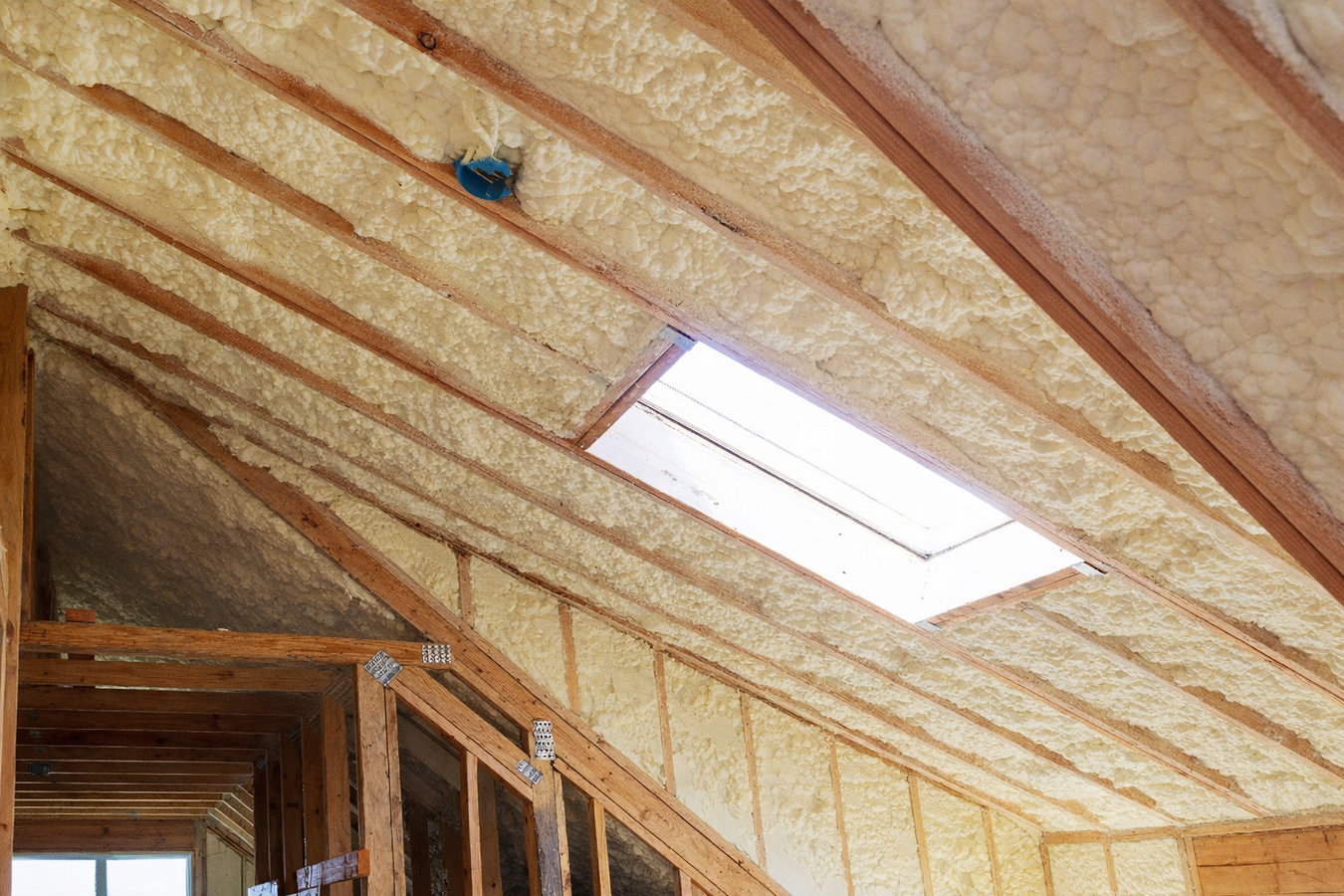
Steep-roofed Victorian and Queen Anne homes in Rock Island neighborhoods near Longview Park often have large, open attic spaces that lose heat rapidly in January. Bringing attic insulation up to current R-values is the fastest way to reduce heating costs in these older, taller homes.
Nearly every Rock Island home has a full basement, and uninsulated basement walls are a major source of cold drafts and elevated heating bills in a city where winter lows routinely drop below 10 degrees. Insulating the rim joist and foundation walls keeps the basement warmer and the floors above noticeably more comfortable.
Rock Island homes near the Mississippi River are subject to clay soil movement that gradually opens gaps in framing, especially around top plates and sill areas. Air sealing those bypasses before adding insulation ensures the new material performs at its rated R-value and is not undermined by uncontrolled air movement.
Some older Rock Island properties, particularly those in lower-lying neighborhoods, have partial or full crawl spaces that accumulate moisture during high-water periods on the Mississippi. Insulating and encapsulating these spaces protects wood framing, reduces floor cold spots, and keeps indoor humidity in check.
Rock Island sits directly on the Mississippi River in western Illinois, and that geography drives two of the biggest insulation challenges in the city. First, the clay-heavy soils that make up much of the riverfront corridor expand and contract with moisture changes throughout the year, gradually pushing on foundations and opening gaps in older framing that were tight when the home was new. Second, river flooding events - including major flood years on record - raise the groundwater table under properties throughout the city, making basement moisture a recurring concern for homeowners in lower-lying neighborhoods. Both problems interact directly with how well a home is insulated and sealed.
The city has a large share of homes built before 1960, and these properties were constructed before modern energy codes required insulation in walls or set minimum R-values for attics. The brick and wood-frame construction common in Rock Island neighborhoods near Longview Park holds up well structurally but does almost nothing to slow heat transfer on its own. Rock Island winters average 25 to 30 inches of snow and regularly see temperatures below 10 degrees Fahrenheit - conditions that make an uninsulated or under-insulated home noticeably uncomfortable and expensive to heat.
Our crew works throughout Rock Island regularly, and we understand the local conditions that affect insulation work here. The Victorian and Craftsman bungalows in the established neighborhoods off 7th Avenue and near Longview Park are familiar territory for us - steep rooflines, lath-and-plaster walls, original wood framing with no cavity insulation, and full basements that have been through decades of wet springs. These are not unusual situations for us; they are standard Rock Island jobs.
Rock Island is one of the most historically significant cities in the Quad Cities, anchored by the Rock Island Arsenal on the island in the Mississippi and community gathering spaces like Schwiebert Riverfront Park. The residential neighborhoods to the north and east of downtown, including the blocks around Longview Park, are full of well-maintained older homes where owners have invested in upkeep for years. We understand the expectations that come with working on those properties.
We also work throughout the broader area. Homeowners in Milan to the south often have slightly newer ranch-style homes with different insulation needs, and we handle those projects regularly as well. Staying active across the whole Rock Island County area keeps us current on local permit requirements and building practices.
Contact us by phone or through the form on this page. We respond within one business day and schedule your assessment at a time that works for your schedule - no pressure and no cost.
We visit your Rock Island home and inspect the attic, walls, basement, and crawl space. You get a written estimate before we leave - the price you see is the price you pay.
Our team arrives on the scheduled day with all equipment and material. Most Rock Island attic and blown-in jobs are finished in a single day, and you can stay in the home while we work.
We clean up completely and walk you through exactly what was installed, where it went, and the R-value achieved. You have our direct contact information if any question comes up later.
Rock Island homeowners receive a written estimate before any work begins - no obligation, no surprise costs, and a response within one business day.
(309) 865-0097Rock Island is a city of around 36,000 people on the western bank of the Mississippi River in Illinois, and one of the four anchor cities of the Quad Cities metro area. The city has been continuously settled since the mid-1800s, and its residential neighborhoods reflect that long history. The established blocks near Longview Park to the north feature large Victorian and Craftsman-style homes with full basements, front porches, and brick exteriors that have been maintained and updated over more than a century. Closer to downtown and along the river corridor, the housing mix shifts toward two-flats, converted Victorians, and smaller single-family homes on tight lots. Homeownership rates are solid for a city of this size, with many residents having lived in the same home for decades.
The Rock Island Arsenal, the major military manufacturing facility on the island in the Mississippi, is one of the most significant employers in the entire region and gives the city a stable base of working households with steady incomes. Rock Island also has a significant rental market - a common feature of older Midwest cities with large stocks of divided Victorians and multi-unit properties - which means landlords as well as individual homeowners are part of the local contractor customer base. Nearby Moline to the east shares similar housing challenges, and many homeowners move between both cities when comparing contractors. Rock Island is also connected to the Iowa side of the Quad Cities via the Centennial Bridge, and its identity as a genuine river city shapes everything from its weather exposure to its building stock.
Creates an airtight seal that dramatically cuts heating and cooling costs.
Learn MoreFills every gap and cavity for consistent, whole-home thermal coverage.
Learn MoreHigh-density foam that adds structural strength along with superior R-value.
Learn MoreLightweight expanding foam ideal for interior walls and sound control.
Learn MoreCommercial-grade insulation solutions that meet building codes and cut overhead.
Learn MoreBlocks ground moisture before it damages your home from underneath.
Learn MoreProfessional vapor barrier installation for lasting moisture protection.
Learn MoreUpgrades insulation in existing walls and spaces without major renovation.
Learn MoreCall us today or submit the form for a free estimate - our team knows Rock Island properties and we respond within one business day.