Loading...
Serving East Moline, IL and surrounding areas. (309) 865-0097
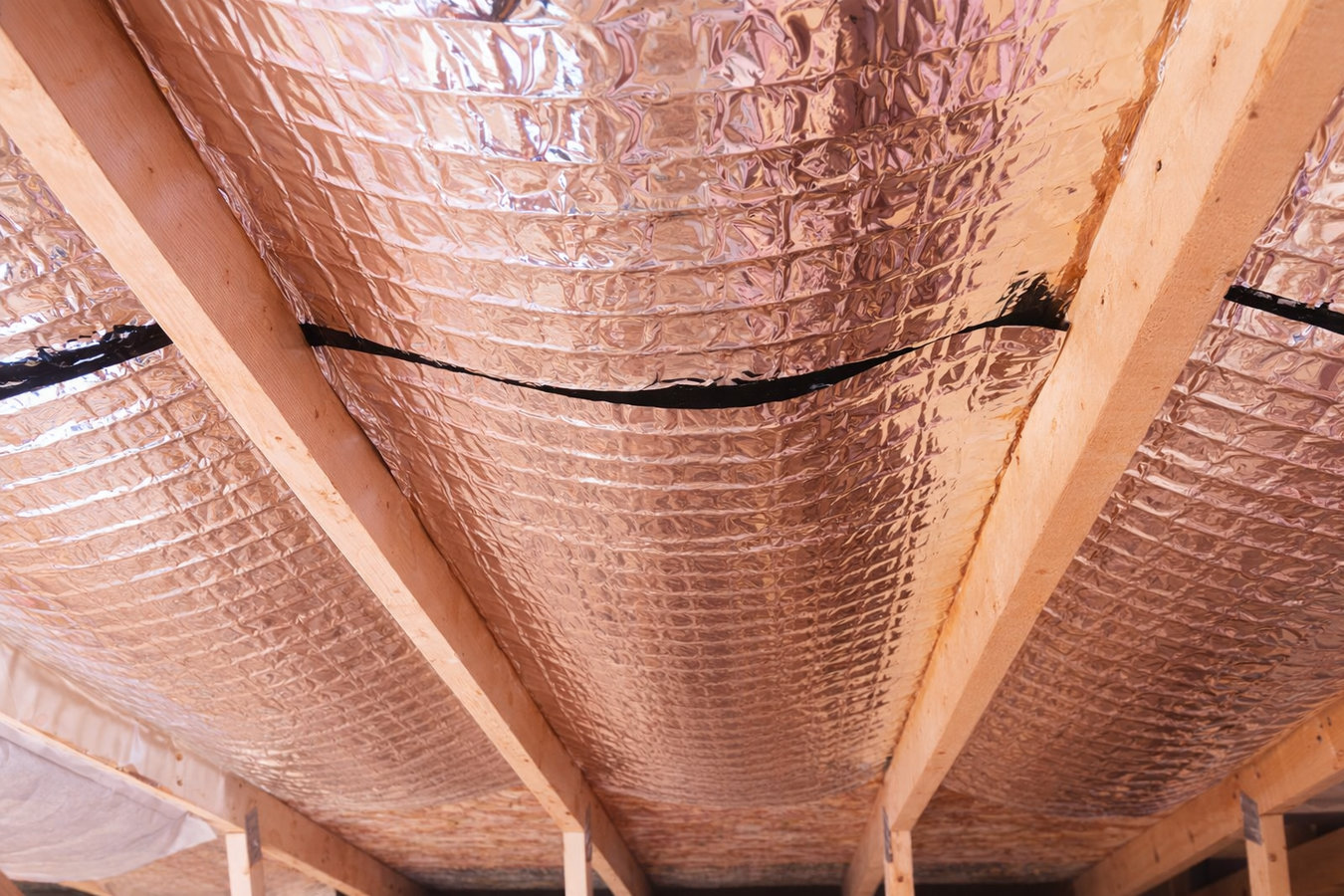
Most East Moline homes were built with far less insulation than they need today. We add what is missing - in your attic, walls, and crawl space - without a major renovation and without you leaving your home.
Retrofit insulation in East Moline means adding insulation to an existing, occupied home - using blown-in cellulose or fiberglass to fill attics, wall cavities, and crawl spaces through small openings - without tearing out walls or doing a major renovation, and most attic jobs are completed in a single day.
A large share of East Moline homes were built between the 1920s and the 1960s, when insulation standards were minimal by today's measures. Many of these homes have only a few inches of material in the attic and little or nothing in the walls - far below the R-49 to R-60 that energy experts now recommend for this climate zone. Over time, the original insulation can also settle and compress, making it even less effective. The gap between what is there and what should be there is exactly what retrofit insulation is designed to close, without requiring you to upend your home to do it.
For the best results, attic insulation should be paired with air sealing before material is added. Adding insulation over open gaps is like putting a thick blanket over a screen door - the air still moves through. Our attic air sealing service is typically scoped and scheduled at the same assessment visit so both steps can be handled together.
East Moline winters are genuinely brutal, and if your gas bill climbs dramatically when the temperature drops, your home is likely losing heat faster than your furnace can replace it. A well-insulated home holds heat much more steadily. If your bills feel out of proportion to the size of your home, insulation is one of the first things worth checking.
If one bedroom or a corner of the house always feels colder than the rest - even with the heat running - that is a strong sign that the insulation in that area is thin, missing, or damaged. In older East Moline homes, this is especially common in rooms above garages, in additions built later than the original house, or in rooms on the north-facing side of the home.
Hold your hand near an electrical outlet or light switch on an exterior wall on a cold day. If you feel cool air moving, that wall cavity has gaps letting outside air in. This is very common in homes built before modern air-sealing practices became standard, and retrofit insulation combined with air sealing can fix it.
Thick ridges of ice along your roofline are a classic sign of heat escaping through the attic and melting snow unevenly. The meltwater runs down to the cold eaves, refreezes, and backs up under the shingles - a structural and water damage risk. Adding attic insulation addresses the root cause so the problem does not return next season.
We install blown-in cellulose and blown-in fiberglass depending on the area being insulated and the conditions present. For attics, the crew blows material through a large flexible hose until the floor is covered evenly to the recommended depth - targeting the R-49 to R-60 range recommended for this Midwest climate zone. For walls, small holes are drilled through the exterior siding, material is blown in under pressure to fill the entire cavity, and the holes are patched and painted to a nearly invisible finish. We check existing insulation depth and document coverage before and after the work so you can see the difference.
For homeowners who want a more complete approach, spray foam insulation is an option for rim joists, crawl spaces, and areas where blown-in material is not the right fit. We can scope both at the same visit and give you a clear recommendation on where each material performs best. No job starts until you have a written estimate that explains exactly what will be done, what material will be used, and what the finished coverage will be.
Best for homeowners whose attics are under-insulated or have uneven coverage - the fastest and most cost-effective way to meet modern R-value recommendations.
Best for older East Moline homes with little or no insulation in exterior walls, where drilling small exterior holes and blowing in material avoids any interior disruption.
Best for homes with cold first-floor rooms or uninsulated crawl spaces, where adding material under the floor joists directly reduces heat loss to the ground.
Best for homeowners who want to address both air leakage and thermal resistance together in a single project for the greatest combined improvement in comfort and efficiency.
East Moline is a working city with a lot of older housing. A large portion of the residential neighborhoods were built in the 1920s through 1950s, when insulation was thin or nonexistent by modern standards. Those homes have been through decades of Illinois winters without the thermal protection that newer construction takes for granted. When January temperatures drop into the single digits and wind picks up off the Mississippi River, a home with inadequate insulation is paying to heat the outdoors every single day. Retrofit insulation closes the gap between what was built and what current energy standards call for - without requiring the homeowner to tear into their walls or move out.
The Quad Cities region also brings warm, humid summers, and poorly insulated walls and attics let that summer heat move in almost as freely as winter cold moves out. We serve homeowners throughout the area, including customers in Davenport and Bettendorf, where older housing stock and Midwest climate demands create the same need for insulation upgrades. The U.S. Department of Energy insulation resource and the North American Insulation Manufacturers Association both provide guidance on recommended R-values and installation standards for homeowners doing their research.
We ask a few basic questions - the age of your home, areas you want insulated, and any comfort problems you have noticed. We reply within 1 business day and schedule an in-home assessment, not a sales visit.
A contractor walks through your home, measures existing insulation depth, checks for air leaks, and looks for any moisture or ventilation issues to address first. You receive a written estimate explaining the areas, materials, and total cost before any work begins.
Once you agree to move forward, we schedule the installation - typically within a few weeks, though demand picks up before winter. For attic work, clear a path to the hatch. For wall work, the crew works from the exterior. No furniture needs to move.
The crew arrives, sets up blowing equipment outside, and works until coverage reaches the right depth. Most attic jobs finish in under six hours. Before leaving, we walk you through the finished work - showing attic coverage, patched wall holes, and confirming vents were not blocked.
Free in-home estimate, written quote, no obligation. We reply within 1 business day.
(309) 865-0097East Moline's older homes sometimes have knob-and-tube wiring that requires special handling before insulation is added to wall cavities. We inspect for this during the assessment and tell you honestly if anything needs to be addressed first - rather than discovering it on installation day.
East Moline is served by Ameren Illinois, which offers rebates for qualifying insulation work. We are familiar with the program and handle most of the paperwork so the rebate actually gets processed. Federal tax credits can also apply and we can walk you through both before you sign anything.
We provide a written record of the areas insulated, the material used, and the coverage depth achieved. You can see the finished attic yourself before we leave - and you have the documentation you need for rebate applications or future home sales.
We have worked on older homes across East Moline and the surrounding metro since 2016. We know the common issues in homes of this era and have the experience to scope work correctly, price it fairly, and finish it in the timeframe we promise.
The work we do in East Moline homes is backed by a straightforward process: assess honestly, quote in writing, install correctly, and show you the result before we leave. No shortcuts, no surprises.
High-performance spray foam for areas where blown-in material is not the right fit, such as rim joists, crawl spaces, and irregular cavities.
Learn MoreFocused blown-in insulation services for attics and walls, using cellulose or fiberglass to reach recommended R-values in existing homes.
Learn MoreAmeren Illinois rebates are available now - lock in your project before winter heating season and start saving on your first gas bill.