Loading...
Serving East Moline, IL and surrounding areas. (309) 865-0097
Your attic is where most heat leaves your home. Upgrading the insulation to current levels for this climate is the single most cost-effective improvement most East Moline homeowners can make.
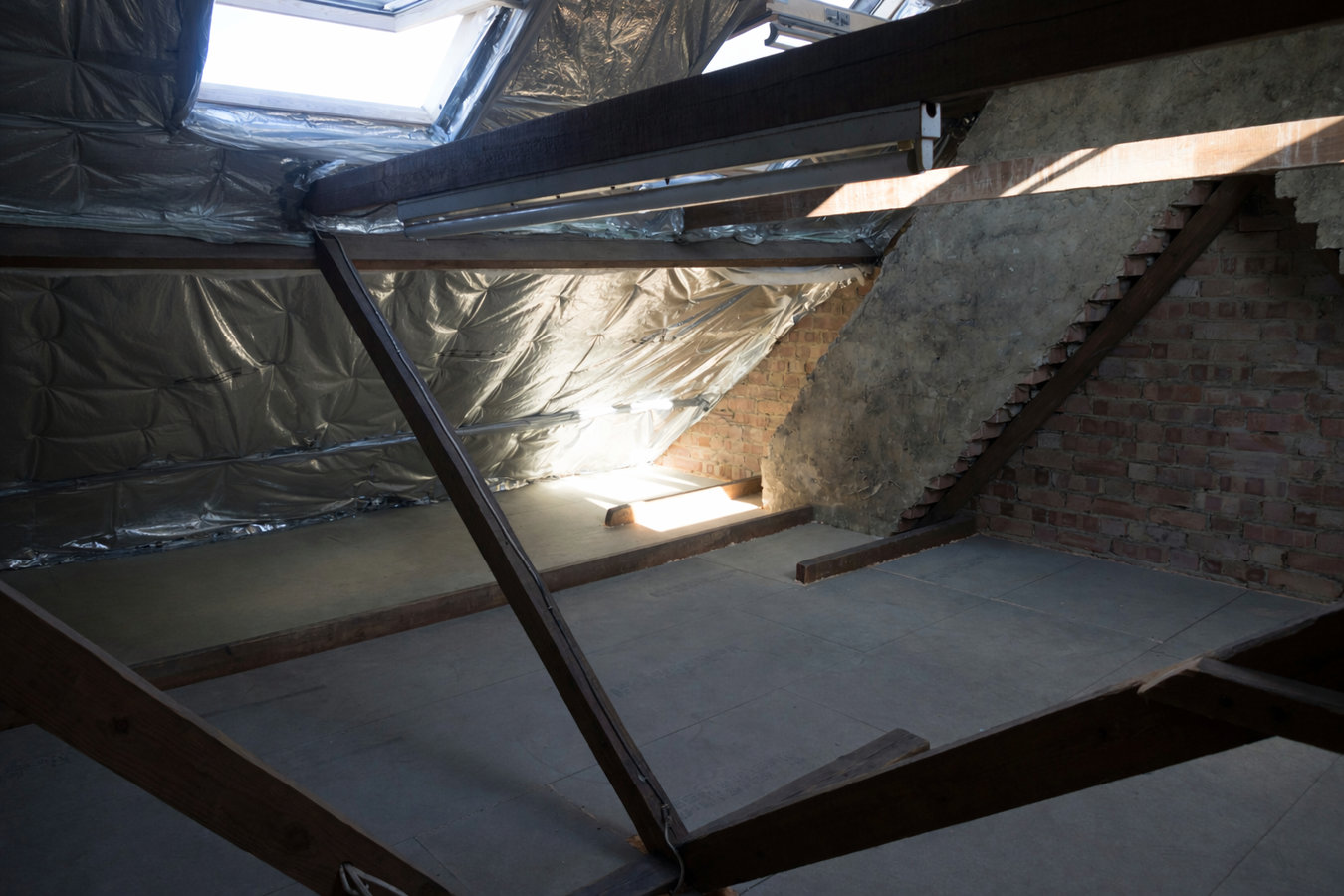
Attic insulation in East Moline, IL is the layer of material installed across your attic floor that slows the movement of heat between your living space and the cold air above - and for most homes, bringing it up to current standards takes one day or less.
In Climate Zone 5 - where East Moline sits - the Department of Energy recommends R-49 to R-60 in the attic. Many older homes in this city have four to six inches of settled insulation, which translates to R-15 or less. That gap means the attic is responsible for a large share of the heat loss that drives up your utility bills every winter and contributes to ice dams on the roof.
For the best results, attic insulation should be installed after air sealing the floor below it. Our blown-in insulation service covers both steps and includes a written estimate that breaks down exactly what material will be used and what coverage your attic will achieve.
If your gas bill climbs sharply when cold weather arrives and stays high through March, heat is escaping through an under-insulated attic. East Moline winters are long and hard enough that even a modest insulation gap translates into hundreds of extra dollars each season. The attic is the place to look first.
Take a flashlight into your attic and look down at the floor. If the wooden joists are visible - if the insulation is flush with them or below them - you do not have enough for this climate. The insulation should be deep enough that the joists are completely buried, with several more inches above them.
Ridges of ice along your roofline form when heat escaping through the attic melts snow unevenly. East Moline winters produce exactly the snowfall and temperature swings that create this problem. Proper attic insulation - combined with air sealing - eliminates the heat loss that drives the freeze-thaw cycle.
If a bedroom or office on the top floor is always too cold in winter and too hot in summer, the attic above it is where the problem lives. Heat rises and escapes through thin or missing insulation in winter. In summer, radiant heat from the roof bakes down through an uninsulated attic floor. Both problems share the same fix.
We install blown-in fiberglass and blown-in cellulose across attic floors throughout East Moline and the Quad Cities. Before any material goes in, we measure what is already present and check for moisture or ventilation issues that need to be addressed first. For homes where air leakage is a significant factor, we seal gaps around pipes, fixtures, and framing before adding insulation - this step makes a real difference in how well the insulation performs.
For areas of the attic where air sealing alone is not enough, pairing blown-in insulation with attic air sealing delivers the most complete result. Both steps can typically be scoped and scheduled at the same assessment visit.
Holds its depth consistently over time and resists moisture - a reliable choice for East Moline attics where humidity can be a factor.
Made from recycled paper treated to resist fire and pests - a cost-effective option that covers irregular attic shapes and older framing well.
Closing gaps around pipes, wires, and fixtures before adding insulation - the step that determines how much of the insulation investment actually pays off.
We measure what is already in the attic and document the current R-value before recommending a scope - no guessing, no overselling.
East Moline sits in Climate Zone 5, where average January lows hover around 14 degrees Fahrenheit and the cold runs from November through March. The Department of Energy R-value recommendations for this zone are significantly higher than for warmer parts of the country - and most East Moline homes, built decades before these standards existed, were never insulated to meet them. A large share of the city housing stock dates to the 1920s through 1960s, when insulation was often minimal or absent in attics and walls.
East Moline summers are also hot and humid, with July highs regularly pushing into the upper 80s. An under-insulated attic lets radiant heat from the roof bake down into the living space all day, running up cooling costs just as it runs up heating costs in winter. A proper attic insulation upgrade delivers year-round benefits - not just winter savings. Homeowners in Moline and Rock Island face the same climate and the same older housing stock, and we handle attic jobs across the entire Illinois side of the Quad Cities.
Tell us your home's age, whether you've had attic work done before, and any comfort or billing problems you have noticed. We reply within one business day and schedule a free on-site visit at a time that works for you.
We measure the current insulation depth, check for moisture or ventilation issues, and identify any air sealing that should be done first. You receive a written estimate before we leave - no surprise costs after the work begins.
The crew parks outside, runs a hose from the truck to your attic hatch, and blows material evenly across the floor. Most East Moline attic jobs are done in three to five hours. You can stay home during the work.
We check insulation depth with measurement markers, clean up any escaped material, and provide paperwork documenting the R-value achieved. This documentation is required for utility rebates and the federal tax credit.
We respond within 1 business day. Every estimate is free and includes a written breakdown of the scope and cost - no obligation to proceed.
(309) 865-0097The most common method for East Moline attics - loose-fill fiberglass or cellulose covers the entire floor evenly and fills every corner.
Learn MoreSeal the gaps in the attic floor before adding insulation - the step that makes every dollar of insulation work harder.
Learn MoreCall East Moline Insulation for a free estimate. We measure what you have, explain what you need, and give you a written quote before any work begins.