
Loading...
Serving East Moline, IL and surrounding areas. (309) 865-0097
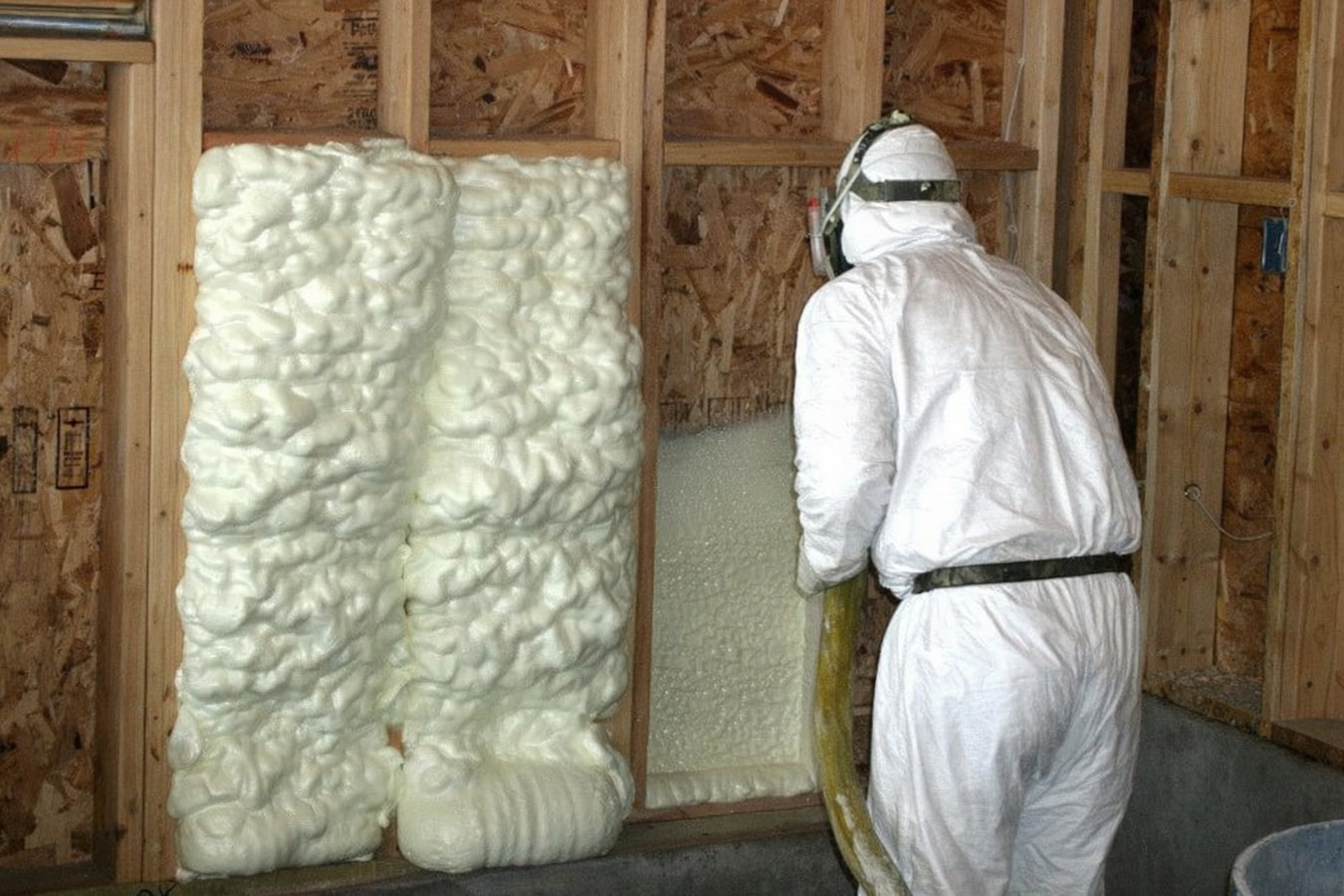
Drafty rooms and high heating bills are often caused by air leaks, not just thin insulation. Open-cell spray foam fills every gap it touches so your home stays comfortable from room to room.
Open-cell foam insulation in East Moline is a spray-applied material that expands on contact, filling cracks and air leaks while slowing heat transfer - most attic or crawl space jobs take one to two days, and the improvement in comfort is often noticeable within the first heating or cooling season.
Unlike batt insulation you can buy at a hardware store, open-cell foam bonds directly to the surface and seals air gaps at the same time it insulates. For homes in East Moline - many of which were built decades before modern energy codes existed - those air gaps are often the biggest source of energy loss. A room that never quite reaches the thermostat temperature, or a heating bill that spikes every January, is usually telling you that air is moving through the house unchecked.
Open-cell foam works well in attics, interior walls, and conditioned crawl spaces. For below-grade spaces like basement walls in contact with soil, a different product is usually the better fit - our spray foam insulation page covers the full range of foam options and helps you understand which type makes sense for your specific situation.
East Moline winters regularly push temperatures below zero, and a home that is not properly sealed will bleed heat fast. If your gas bill climbs sharply in the coldest months and your furnace seems to run constantly, that is a strong sign that heat is escaping through your attic, walls, or rim joists faster than your furnace can replace it. Insulation alone will not solve the problem if air is also moving through gaps - foam addresses both at once.
If one bedroom is always freezing in winter or one corner of the house turns into an oven in July, the problem is almost always an insulation gap or air leak nearby. In older East Moline homes - especially those built in the 1940s through 1960s - wall cavities were often left partially empty or filled with materials that have since settled. A room that never quite reaches the temperature on your thermostat is telling you something is wrong in the building envelope.
Hold your hand near an electrical outlet on an exterior wall on a cold day. If you feel cool air moving, that air is coming from outside - through gaps in the wall cavity that insulation should be sealing. The same test works near the top of walls where they meet the ceiling and around the frames of older windows. These drafts are a direct sign that your home has gaps that open-cell foam can fill and seal.
Ice dams - the ridges of ice that build up along the edge of a roof in winter - are a classic sign that heat is escaping through your attic and melting snow unevenly. East Moline freeze-thaw cycles make this a real risk each winter, and ice dams can cause serious water damage to your roof, gutters, and interior ceilings if left unaddressed. Adding insulation to the attic floor is one of the most effective ways to prevent them from forming in the first place.
The most common application for open-cell foam in East Moline homes is the attic floor - it is the area where the investment tends to pay off fastest because heat rises and attic air leaks are often the single largest source of energy loss in older homes. We also apply open-cell foam in wall cavities during renovations when walls are open, in rim joist areas at the top of basement walls, and in conditioned crawl spaces. If you have been looking at commercial insulation options for a light commercial or mixed-use building, open-cell foam is one of the products we use in those applications as well.
Open-cell foam is not the right product everywhere. For below-grade basement walls, exterior applications, or anywhere that moisture vapor control is the primary concern, closed-cell foam or a different material is usually the better fit. A good contractor tells you that honestly rather than selling you the same product for every situation. We will walk your space, explain what each area needs, and give you a written quote that reflects the right approach.
Best for homeowners who want the fastest payoff - the attic is where most heat rises and escapes, and foam seals leaks while it insulates.
Best for older homes where the wood framing at the top of the foundation is unprotected and causing cold drafts on the first floor.
Best for renovations where walls are open and air sealing in the cavity is as important as the insulation value itself.
Best for homes where the crawl space is part of the heating and cooling zone and needs to be sealed from outside air year-round.
East Moline sits in a climate where winter temperatures regularly drop below zero and summer heat indexes can push past 100 degrees Fahrenheit. That kind of range puts a lot of pressure on whatever is separating your living space from the outside. Homes built before the late 1970s were not designed with modern air-sealing standards in mind, and East Moline has a large share of those older homes - including craftsman bungalows and two-story foursquares near the riverfront that were built during the city manufacturing boom in the early 1900s. For homeowners in these neighborhoods, open-cell foam often delivers a more noticeable improvement than it would in a newer home, because there is simply more air leakage to stop. Ameren Illinois, which serves East Moline, also offers energy efficiency rebates for qualifying insulation upgrades that can reduce your out-of-pocket cost - ask your contractor before the job starts, not after. More information on qualifying products is available at ENERGY STAR.
East Moline summers bring genuine humidity from the Mississippi River corridor, and that moisture affects where open-cell foam makes the most sense. For interior applications - attics, walls, conditioned crawl spaces - open-cell foam performs well. For below-grade walls in direct contact with the ground, a moisture-resistant product is the right call. We work with homeowners throughout the Quad Cities, including customers in Rock Island and Moline, where the same older housing stock and climate conditions call for the same careful approach to foam placement.
We ask a few basic questions - what area of your home you want insulated, whether it is an existing home or a renovation, and whether you have noticed any moisture issues. You will hear back within one business day to schedule an in-home visit, and the estimate is always free.
We walk the space you want insulated, take measurements, and look for any conditions that would affect how foam is applied - existing insulation, exposed wiring, or signs of moisture. This usually takes 30 to 60 minutes, and a written estimate follows within a day or two with no pressure to decide on the spot.
Before the crew arrives, we will tell you exactly what to clear from the work area and whether you need to cover anything in adjacent rooms. Plan to be out of the home with your pets during the spray application and for a few hours afterward - the foam cures quickly, but the fumes need time to clear.
The crew masks off anything that should not get foam on it, then sprays the material in place - it expands and starts to harden within minutes. Before leaving, we walk you through the finished work so you can see what was done and ask any questions. No mystery work, no surprises on the invoice.
Free estimate, written quote, no obligation. We reply within one business day.
(309) 865-0097East Moline has one of the largest concentrations of pre-1960 housing in the region, and those homes have air-sealing challenges that newer construction does not. We have worked on homes throughout the area and know where gaps typically hide in older frame and brick construction - behind knee walls, around chases, and at the rim joist.
Ameren Illinois offers real money back for qualifying insulation upgrades, but collecting it requires correct documentation filed before and after the job. We handle that process for our customers so the rebate arrives without you having to chase it yourself.
Open-cell foam is not right for every application. If your specific situation calls for a different product - closed-cell foam on a basement wall, blown-in for a hard-to-reach attic area - we will say so. Industry installation guidance from the Spray Polyurethane Foam Alliance outlines why proper product selection matters as much as proper installation.
Every project starts with a free in-home assessment and a written estimate. The price we quote is the price you pay - no upselling on the day of installation and no invoices that look different from what was discussed at the estimate.
When you call East Moline Insulation, you are talking to a local contractor who has worked on homes like yours throughout the Quad Cities. We bring the same straightforward approach to every job - show up on time, do the work correctly, and leave the space clean.
Open-cell and other foam types applied to commercial buildings in the Quad Cities, from light industrial spaces to retail.
Learn MoreA full overview of spray foam options - both open-cell and closed-cell - and guidance on which type fits each part of your home.
Learn MoreEast Moline winters do not wait - call today to schedule your in-home assessment before the cold season fills the schedule.