
Loading...
Serving East Moline, IL and surrounding areas. (309) 865-0097
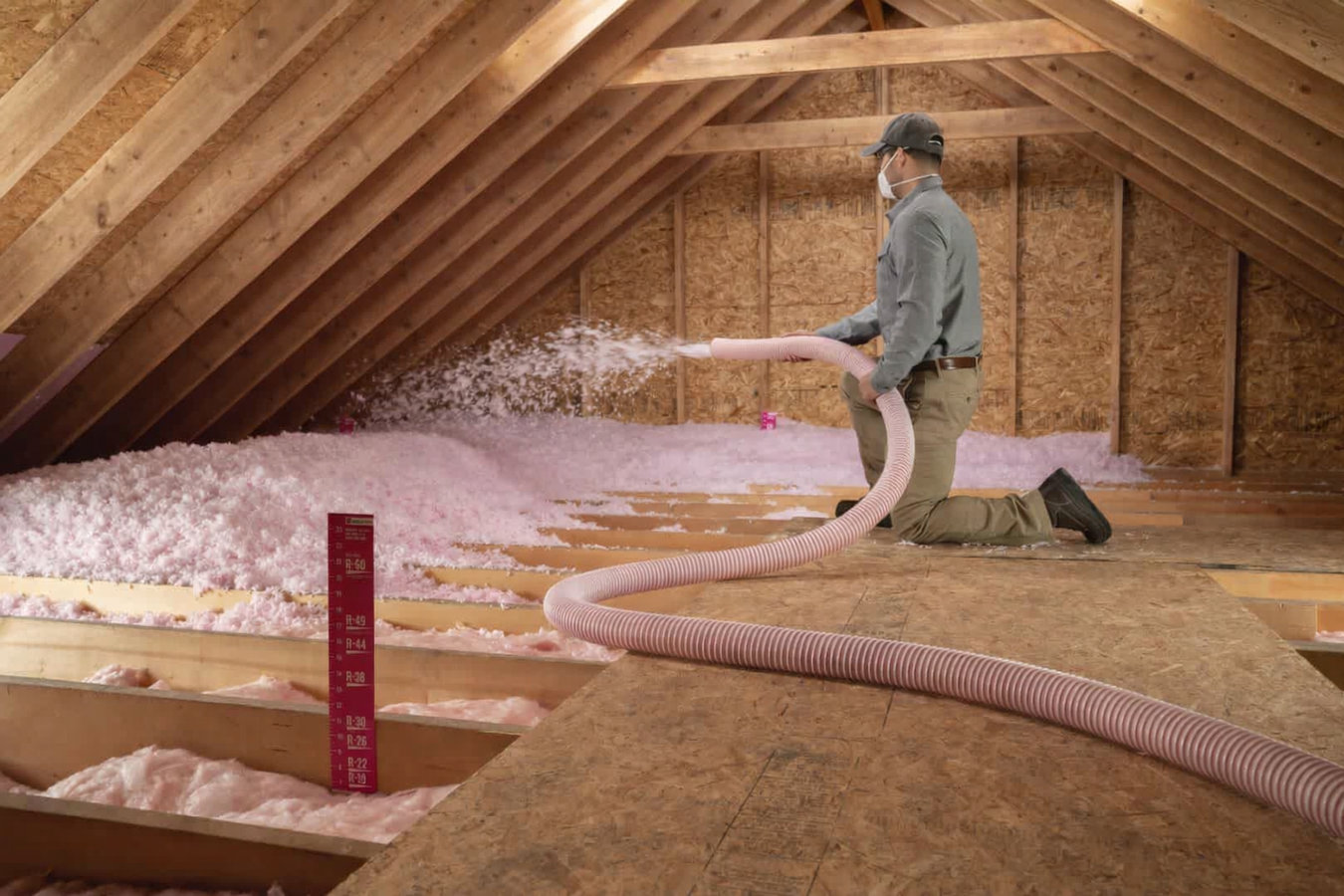
East Moline Insulation provides blown-in attic insulation, crawl space insulation, and vapor barrier installation to Carbon Cliff homeowners - local Rock Island County service with free written estimates since 2016.
Most Carbon Cliff homes were built before modern energy codes existed, and many attics have far less insulation than current standards require. Blown-in insulation fills the attic floor evenly and reaches existing wall cavities without disturbing interior finishes - the right approach for older Carbon Cliff homes where you want to keep the walls intact.
Carbon Cliff properties on lower ground near the Mississippi River regularly see groundwater rise in spring, and crawl spaces in older homes without insulation or vapor barriers become a direct path for cold air and moisture to reach the living space above. Insulating the crawl space is often the fastest way to stop cold floors and musty odors in these homes.
River proximity in Carbon Cliff means crawl space soil stays damp much of the year. A heavy-duty vapor barrier sealed to the foundation walls blocks ground moisture before it can enter the home - protecting floor joists, reducing indoor humidity, and making the crawl space safe for storage.
Carbon Cliff homes built before 1970 typically have attic insulation levels that are a fraction of what Illinois energy code now recommends. Adding depth to the attic floor - whether blown-in fiberglass or cellulose - is the single most cost-effective insulation upgrade for most homes in this village.
Decades of settling in older Carbon Cliff homes leave gaps around plumbing, electrical wiring, and attic hatches that let warm indoor air escape constantly. Air sealing these bypasses before adding blown-in insulation makes both the new and existing insulation work the way it is supposed to.
Where Carbon Cliff homes have full or partial basements, uninsulated rim joists and foundation walls are a major cold-air entry point in winter. Spray foam or rigid foam along these surfaces stops drafts at the source and makes the basement measurably warmer without a full renovation.
Carbon Cliff is a small village in Rock Island County, and nearly all of its housing stock dates to before 1970. These homes were built during a period when energy was cheap and insulation standards were minimal - wall cavities were often left empty, and attics received just a few inches of material if anything at all. Illinois winters at this latitude are hard: frost depths in Rock Island County regularly reach 30 to 40 inches, and the National Weather Service in the Quad Cities documents multiple sub-zero stretches each winter. For a home with thin attic insulation and uninsulated walls, that means the furnace runs almost continuously from November through March.
The village also sits close to the Mississippi River, and parts of Carbon Cliff occupy lower-lying ground near the bluffs. Spring flooding and high groundwater are documented concerns in Rock Island County, and homes near the river deal with persistently damp soil that drives moisture into crawl spaces and basements. The combination of cold winters and moisture from below is a one-two punch that under-insulated older homes in Carbon Cliff were never built to handle. Addressing both problems - heat loss from above and moisture from below - is where the biggest improvements in comfort and cost come from.
Our crew works throughout Carbon Cliff regularly, and we understand the local conditions that affect insulation work here. Carbon Cliff falls within Rock Island County, and permit and inspection requirements for work here are handled through the county and the Carbon Cliff Village Hall - both of which our team is familiar with from regular jobs in this area. The village is small and the housing is spread across a handful of roads, which makes scheduling straightforward and travel times short for our East Moline-based crew.
Most homes we work on in Carbon Cliff are modest single-family properties on small to medium lots, with detached garages, concrete driveways, and crawl spaces or partial basements. Brick and wood-frame construction from the mid-20th century is typical, and the age of these homes means we often find original vapor barriers that have deteriorated or no vapor barrier at all. The Mississippi River is the defining geographic feature of this part of Rock Island County, and we take moisture management seriously in every Carbon Cliff crawl space we work on.
Carbon Cliff sits between two other communities we serve regularly. Hampton is just north along the river, and Silvis borders Carbon Cliff to the west - both share similar older housing stock and the same cold-winter, wet-spring climate conditions.
Call us or fill out the form on this page. We respond within one business day and schedule a visit at a time that works for you - evenings and weekends are available.
We inspect the attic, crawl space, and walls to find where heat is escaping and whether moisture is a factor. You receive a written estimate before we leave - no obligation and no hidden costs.
Our crew arrives on time with all equipment. Most Carbon Cliff attic and crawl space jobs are completed in a single day. You can stay home throughout.
We walk you through the completed work before we leave, answer any questions, and leave the property clean. We follow up if any questions come up after the job.
We serve Carbon Cliff and the surrounding Rock Island County area. One call or form submission gets you a free written estimate with no pressure to commit.
(309) 865-0097Carbon Cliff is a small village of roughly 1,700 residents in Rock Island County, situated along the Mississippi River between Silvis to the west and Milan to the east. The village has a low-density layout - homes sit on small to medium lots along a handful of main roads and side streets, with enough yard space for detached garages and outbuildings on many properties. The housing stock is dominated by modest single-family homes built in the mid-20th century, most of them brick or wood-frame construction. Carbon Cliff is part of the Quad Cities metro area and shares county-level services with the rest of Rock Island County, including building permits and inspections.
Owner-occupied homes make up the large majority of Carbon Cliff housing units, which means most residents are the direct decision-makers for home repairs and upgrades. The village has a working-class character and homeowners here tend to be practical and cost-conscious - they want clear pricing and honest advice, not an oversized project scope. To the west, Silvis shares a nearly identical housing profile, while Rock Island to the southwest is a larger city with a broader mix of residential and commercial properties.
Creates an airtight seal that dramatically cuts heating and cooling costs.
Learn MoreFills every gap and cavity for consistent, whole-home thermal coverage.
Learn MoreHigh-density foam that adds structural strength along with superior R-value.
Learn MoreLightweight expanding foam ideal for interior walls and sound control.
Learn MoreCommercial-grade insulation solutions that meet building codes and cut overhead.
Learn MoreBlocks ground moisture before it damages your home from underneath.
Learn MoreProfessional vapor barrier installation for lasting moisture protection.
Learn MoreUpgrades insulation in existing walls and spaces without major renovation.
Learn MoreCall us or request a free estimate online - we know Rock Island County and can usually schedule a visit within a few days.