Loading...
Serving East Moline, IL and surrounding areas. (309) 865-0097
East Moline Insulation provides spray foam, blown-in, and attic insulation to Moline homeowners, with experienced local crews and free on-site estimates - and we have been doing this work in the Quad Cities since 2016.
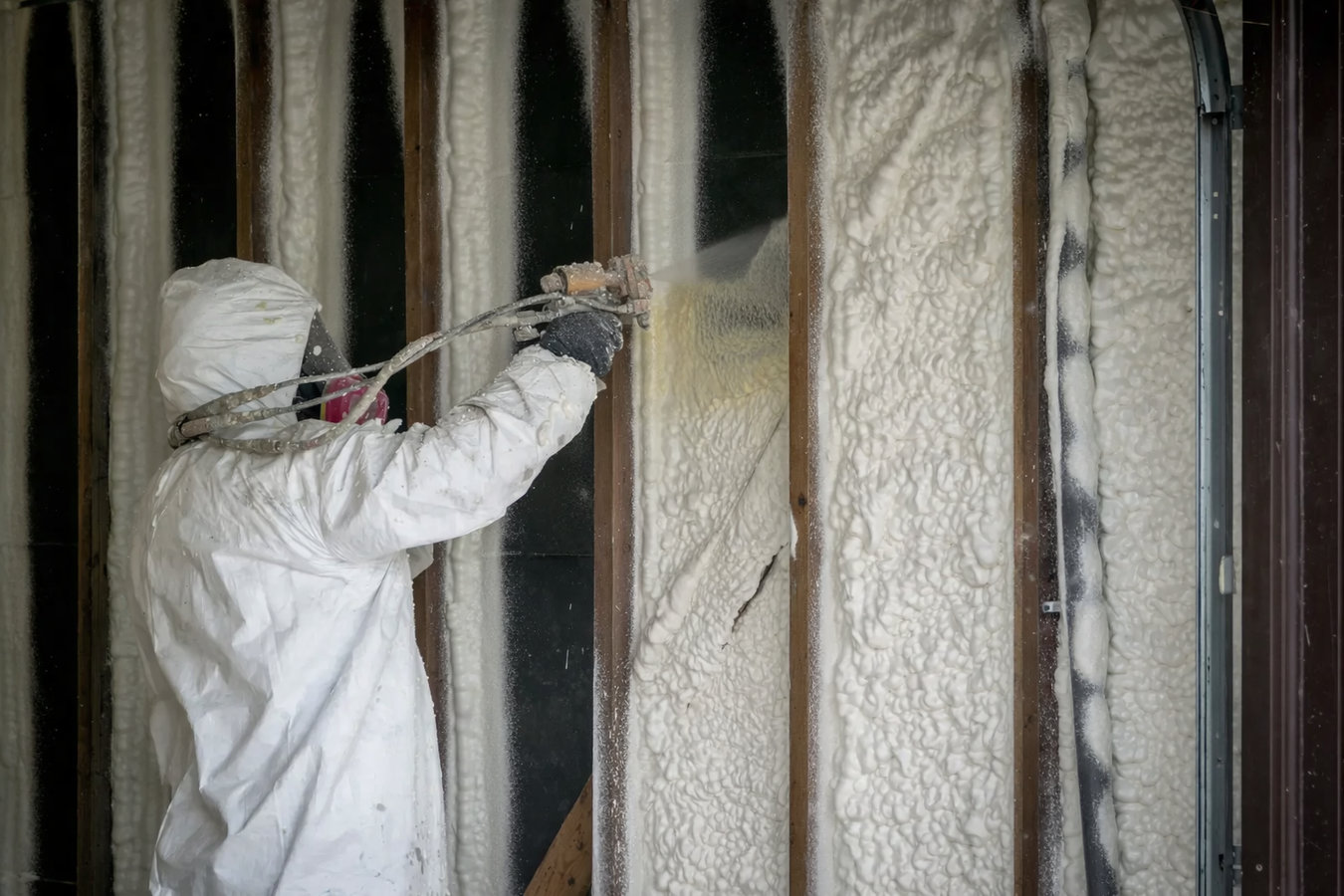
Moline craftsman bungalows and foursquares were built with framing gaps that standard batt insulation cannot seal on its own. Spray foam insulation expands to fill every cavity and hardens into an air barrier, stopping the drafts that make those older Moline homes hard to heat in January.
Many Moline homes on the South Hill and in the older downtown neighborhoods have attics with minimal or degraded insulation from decades ago. Upgrading attic insulation to current Illinois energy code levels is one of the most cost-effective improvements a Moline homeowner can make.
Blown-in cellulose or fiberglass reaches deep into existing wall cavities through small drilled holes, which means Moline homeowners can upgrade wall insulation without disturbing original plaster walls or trim - an important advantage in homes where the interior finishes are worth preserving.
Early-1900s Moline homes were typically built with two-by-four wall framing and no insulation at all. Wall insulation upgrades - whether by dense-pack blown-in or foam - reduce both heat loss in winter and the noise transfer between rooms that thin, uninsulated walls allow.
Moline properties in lower-lying areas near the river corridor are especially prone to crawl space moisture problems, because the clay soil holds water and the grade does not always drain well. Insulating and encapsulating the crawl space keeps moisture out and cold air away from the living space above.
Full basements are common in Moline homes from the craftsman and foursquare era, and most are uninsulated at the rim joist and foundation walls. Insulating these surfaces stops the single largest cold-air entry point in many Moline homes and makes the basement noticeably warmer through the winter.
Moline sits on a bluff above the Mississippi River, and the elevation creates distinct conditions depending on where in the city your home is located. Homes on the South Hill face wind exposure that accelerates heat loss through uninsulated walls and poorly sealed attics. Properties closer to downtown and the river sit on clay-heavy glacial soil that expands and contracts with every wet spring and dry summer, opening new gaps in foundations and sill plates over time. The National Weather Service in the Quad Cities records frost depths of 30 to 40 inches during hard winters here, and that deep freeze stresses every uninsulated basement wall and crawl space in the city.
Moline also has one of the older housing stocks in the Quad Cities region. Census data puts the median year homes were built around 1955, with a significant portion dating to before World War II. These homes were built with materials and methods that made sense for the time but leave a lot of room for improvement by current energy standards. Many Moline homeowners who have lived in their house for years have simply accepted high utility bills and uneven room temperatures as a fact of life - when in most cases the fix is straightforward and does not require major renovation.
Our crew works throughout Moline regularly, and we understand the local conditions that affect insulation work here. John Deere is the city most prominent landmark and employer, and many of the homes we work on belong to long-term residents who have taken care of their properties for decades but simply never prioritized insulation. The Craftsman bungalows and American Foursquares common in central Moline neighborhoods are built on narrow lots - sometimes 40 feet wide - where access to the side of the house is limited and the attic hatch is the main entry point for our crew.
Moline homeowners on Riverside Drive and in the neighborhoods closer to Vibrant Arena tend to have older homes closer to the river, while those up on the South Hill sit in larger, brick-construction houses with slightly different insulation needs. We work across both parts of the city and adjust our approach to what the specific home requires, rather than applying a one-size solution.
We serve the areas around Moline as well, including Rock Island directly to the west and East Moline to the east. Our coverage of this corridor means we are familiar with the full range of housing types that defines Quad Cities construction on the Illinois side of the river.
Call us directly or fill out the form on this page. We respond within one business day and schedule a visit at a time that is convenient for your household - evenings and weekends are available.
We inspect the attic, walls, basement, and crawl space and identify where heat is escaping. You receive a written estimate before we leave the property - no obligation to book and no surprise charges later.
Our crew arrives on time with all equipment and material. Most Moline attic and blown-in wall jobs are completed in a single day, and you do not need to leave your home during the work.
Before we leave, we walk you through every area where insulation was added and confirm the R-value achieved. We clean up thoroughly and leave your home in the same condition we found it - just better insulated.
We serve Moline and the surrounding Quad Cities area. Free on-site estimates, no obligation. We reply within one business day.
(309) 865-0097Moline is a city of roughly 42,000 people in Rock Island County, Illinois, sitting along the Mississippi River bluff as one of the four core cities of the Quad Cities metro. The city is best known as the global headquarters of John Deere, and the John Deere Pavilion downtown draws visitors from across the country. The city grew quickly during the manufacturing era of the early 1900s, and that growth produced most of the residential neighborhoods that still define Moline today - dense blocks of craftsman bungalows, American Foursquares, and brick two-stories, many of them within walking distance of the old downtown core.
Moline ranges from the elevated South Hill neighborhoods with their larger, older homes and bluff views, down to the riverfront along Riverside Drive where parks, the Vibrant Arena entertainment district, and the Mississippi waterfront draw residents year-round. The homeownership rate in Moline is above average for a city its size, which means the majority of residents are long-term owners with a genuine stake in maintaining their properties. Neighboring communities East Moline and Rock Island share similar housing stock and climate conditions, and we serve all three as part of our regular Quad Cities coverage.
Creates an airtight seal that dramatically cuts heating and cooling costs.
Learn MoreFills every gap and cavity for consistent, whole-home thermal coverage.
Learn MoreHigh-density foam that adds structural strength along with superior R-value.
Learn MoreLightweight expanding foam ideal for interior walls and sound control.
Learn MoreCommercial-grade insulation solutions that meet building codes and cut overhead.
Learn MoreBlocks ground moisture before it damages your home from underneath.
Learn MoreProfessional vapor barrier installation for lasting moisture protection.
Learn MoreUpgrades insulation in existing walls and spaces without major renovation.
Learn MoreOur crew knows Moline homes inside and out. Call now or send us a message and we will respond within one business day.