
Loading...
Serving East Moline, IL and surrounding areas. (309) 865-0097
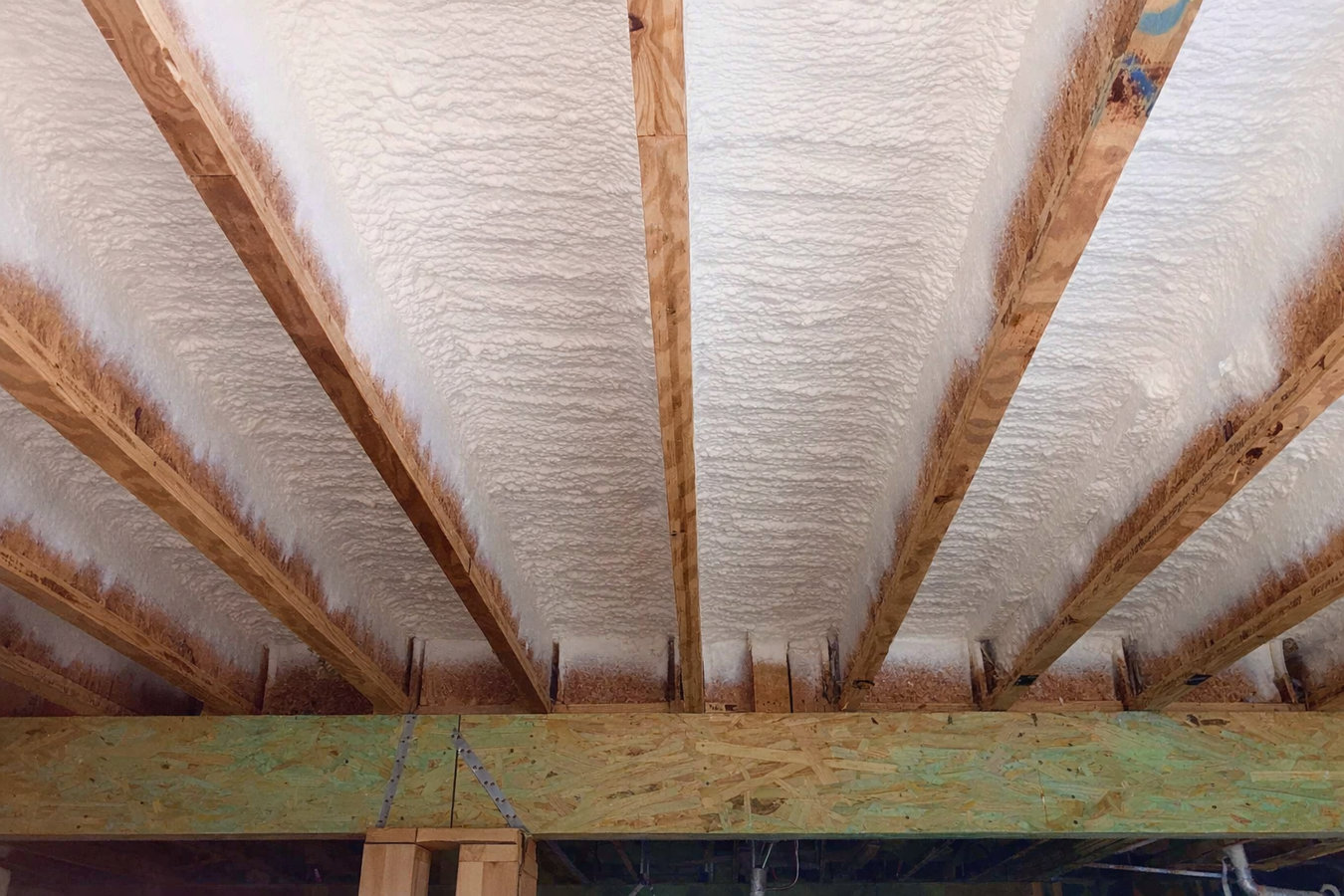
Cold floors and wasted heat start under your home. We insulate and seal your crawl space so comfort reaches every room - including moisture control built for the Quad Cities climate.
Crawl space insulation in East Moline acts as a thermal barrier between the cold ground and your living area, cutting heat loss through floors - most single-family jobs are completed in one to two days.
If you walk across your kitchen floor on a cold January morning and it feels cold underfoot, the problem is not your thermostat - it is the uninsulated or degraded crawl space below. East Moline winters regularly push temperatures into the single digits, and that cold moves straight up through unprotected floor joists. Many homes in the area were built in the mid-20th century with little or no crawl space insulation, and any material that was installed decades ago has likely deteriorated.
Crawl space insulation also works alongside other improvements. Pairing it with wall insulation and a crawl space vapor barrier gives your home the most complete protection against cold air and ground moisture.
If your floors feel noticeably cold underfoot in January even with the furnace going, cold air is moving up from an uninsulated or failed crawl space. In East Moline, this becomes obvious fast - usually by November. No amount of thermostat adjustment fixes the root cause.
A persistent earthy or musty odor coming from the floor or lower level often means moisture is building up in the crawl space below. In East Moline, where ground moisture is a real factor near the river, that smell is an early warning that mold or wood rot may already be starting.
If heating bills in winter or cooling bills in summer keep rising but nothing has changed, a failing crawl space is one of the first places to look. Insulation that has sagged, gotten wet, or aged past its useful life stops working quietly - you feel it in your utility costs, not in any visible sign.
If a plumber has ever told you that pipes in your crawl space were at risk of freezing, the space is not sealed or insulated well enough. East Moline winters are cold enough that exposed pipes in an uninsulated crawl space face real risk during the hardest stretches of January and February.
We install crawl space insulation using two main approaches, depending on what your home needs. The traditional method insulates the floor joists above the crawl space, treating the crawl space as an unconditioned area while protecting the floor above it. Full encapsulation seals and insulates the crawl space walls and floor, making it a conditioned space that stays close to indoor temperatures - an approach that handles both cold winters and humid East Moline summers.
Every crawl space job we do includes an assessment of moisture conditions. If ground moisture is a factor - which it often is in East Moline given the clay soil and proximity to the river - we pair insulation with a crawl space vapor barrier to protect your insulation and your floor structure. We also coordinate with our wall insulation team when a whole-home approach makes more sense.
Best for homes with accessible crawl spaces where the goal is reducing heat loss through the floor above.
Ideal for homes with moisture concerns or in areas where the crawl space needs to be fully conditioned and sealed.
Paired with insulation to block ground moisture from rising into insulation and wood framing - recommended for most East Moline homes.
For crawl spaces where deteriorated or water-damaged insulation needs to come out completely before new material goes in.
East Moline homes face two problems from opposite directions. In winter, cold air pushes up through uninsulated crawl spaces hard enough to make floors uncomfortable even when the thermostat is set to a warm temperature. In summer, East Moline's humidity means warm moist air entering an unsealed crawl space condenses on cooler surfaces and creates moisture problems from the other direction. A well-insulated and sealed crawl space handles both extremes - which is why the work done here needs to be designed for this specific climate, not a one-size-fits-all approach.
A significant share of East Moline's housing stock was built in the mid-20th century, and many of those homes were constructed before crawl space insulation was standard. The clay-heavy soil common in this part of Illinois holds moisture rather than draining it, which makes vapor barriers especially important in older crawl spaces here. We work throughout the area, from Milan to Coal Valley, and we know the soil and climate conditions that shape what each crawl space needs.
We will respond within one business day. We ask a few basic questions - home age, crawl space access, any known moisture or pest history - and schedule a time to come out and look.
We access your crawl space and spend 20 to 45 minutes evaluating what is there - condition of existing insulation, moisture signs, vapor barrier status, and any air leaks. We explain what we found in plain terms before recommending anything.
We give you a written estimate that breaks down the work and cost clearly. If a permit is required by the City of East Moline, we pull it on your behalf - you should not have to navigate that process alone.
The crew removes old material if needed, installs the vapor barrier, and puts in the new insulation. Most jobs wrap up in one to two days. We walk you through the finished work before we leave.
We respond within one business day. Our assessment is free, and we will tell you honestly what your crawl space needs - no overselling, no pressure.
(309) 865-0097Putting new insulation into a crawl space with an unresolved moisture problem is one of the most common mistakes in this trade. We check for moisture conditions first and recommend vapor barrier installation when the soil or site history calls for it - which is often in East Moline's older neighborhoods.
East Moline sits in a climate that is both genuinely cold in winter and humid in summer. We choose insulation type and coverage based on what this climate actually demands, not a minimum-code approach. Crawl spaces here need to perform in both directions.
We pull permits for crawl space work when required and coordinate city inspections on your behalf. That documentation follows your home and protects its value. The ENERGY STAR sealing and insulating guidelines inform our standards on every job.
Many East Moline homeowners have never looked into their crawl space. We show you - or clearly describe - what we found, what we did, and why. You leave knowing more about your home than you did before we arrived. The U.S. Department of Energy publishes solid guidance on crawl space approaches we follow closely.
Every job we do in East Moline crawl spaces comes down to the same goal - insulation that performs through a real Midwest winter and a real Midwest summer, with moisture under control so it keeps performing for years.
Seal heat loss through exterior walls - a common complement to crawl space work in East Moline's older homes.
Learn MoreA thick ground-covering barrier that blocks moisture from rising into your insulation and floor structure.
Learn MoreCall now or submit a request online - we respond within one business day and will assess your crawl space before winter sets in.