Loading...
Serving East Moline, IL and surrounding areas. (309) 865-0097
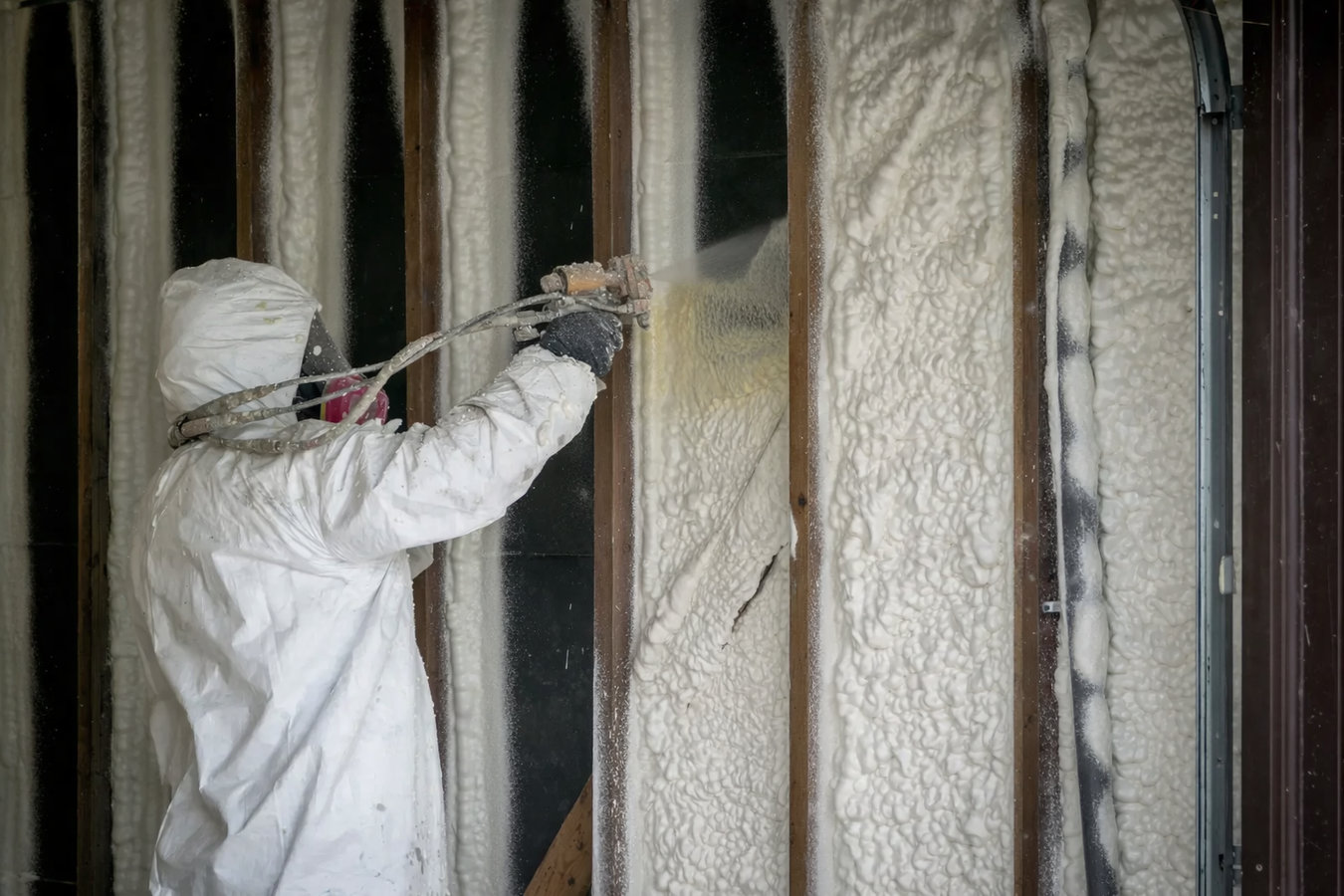
East Moline Insulation has served East Moline homeowners with spray foam, blown-in, and attic insulation since 2016, bringing experienced local crews to one of the Quad Cities most established neighborhoods.
East Moline homes built before 1960 often have gaps and voids in the framing that standard batts cannot fill completely. Spray foam insulation expands on contact, sealing those cavities and stopping the air movement that makes older homes so hard to heat.
Attics in older East Moline homes are often the single biggest source of heat loss in winter. Adding or upgrading attic insulation brings the home closer to current energy code and reduces the strain on your furnace during the months when it runs hardest.
Blown-in cellulose or fiberglass can be installed into existing wall cavities through small holes without tearing out plaster or drywall - an important consideration for the craftsman bungalows and foursquares that make up much of East Moline housing stock.
Many East Moline homes with older foundations have uninsulated or poorly insulated crawl spaces that allow cold air and moisture to migrate up into the living area. Properly insulating and encapsulating the crawl space protects your floors, pipes, and indoor air quality.
Older East Moline homes were not built to modern air-tightness standards, and decades of settling have opened gaps at top plates, around plumbing penetrations, and at the sill plate. Air sealing those bypasses before adding insulation makes every dollar of insulation work harder.
Uninsulated basement walls are a major cold-air entry point in East Moline winters, where temperatures drop well below zero. Insulating the rim joist and foundation walls keeps the basement warmer and reduces the cold floor problem common in older single-story and ranch-style homes.
A large share of East Moline homes were built in the 1920s through 1950s, during the city manufacturing boom, and most were put up with little to no wall insulation by today standards. The clay-heavy soil under many Rock Island County properties shifts with every wet spring and dry summer, and those freeze-thaw cycles - where the ground freezes 30 to 40 inches deep each winter - put ongoing stress on foundations and sill plates. Every winter, those gaps and cracks in older framing let heat escape faster than your furnace can replace it.
East Moline also sits in the heart of the Quad Cities, where hot, humid summers bring severe thunderstorms and the kind of heat that turns an uninsulated attic into an oven. Proper insulation is not just a winter project here - it works both directions, keeping conditioned air inside during July just as much as it keeps heat from escaping in January. Homeowners in this city who invest in proper insulation typically notice the difference in both their comfort and their Ameren Illinois bills within the first heating season.
Our crew works throughout East Moline regularly, and we understand the local conditions that affect insulation work here. We see the same things on every block of the older neighborhoods - original wood framing, plaster walls over lath, uninsulated rim joists at the sill plate, and attics with three inches of settled fiberglass where there should be twelve. These are not surprises for us; they are the standard job in this part of the city.
East Moline is a tight-knit community in Rock Island County, and the homes here reflect its working-class heritage - practical construction built to last, but rarely built with energy efficiency in mind. Whether a home is within a few blocks of the John Deere Harvester Works on the north end or closer to the Illiniwek Forest Preserve, the insulation challenges tend to be the same: older framing, absent or minimal wall insulation, and an attic that needs a full upgrade.
We also serve the communities surrounding East Moline. Homeowners in Silvis just to the east face nearly identical housing stock and climate conditions, and we handle jobs there regularly as well. Our work through this part of Rock Island County gives us a clear picture of what East Moline homes need most.
Reach us by phone or through the contact form on this page. We reply within one business day and schedule your assessment at a time that works for you - no pressure, no obligation.
We visit the home, inspect the attic, walls, crawl space, and basement, and identify where the biggest heat loss is happening. You receive a written estimate before we leave - no surprise costs later.
On the scheduled day, our crew arrives with equipment and material. Most East Moline attic and blown-in jobs finish in a single day, and you can stay in the home while we work.
We clean up completely before we leave and walk you through what was done, where new material was installed, and what R-value was achieved. You have our contact information if any question comes up later.
We serve East Moline and the surrounding Quad Cities area. Free estimates, no pressure. We reply within one business day.
(309) 865-0097East Moline is a city of roughly 21,000 people in Rock Island County, situated along the Mississippi River as one of the four core cities of the Quad Cities metro area. The city developed rapidly in the early 1900s, when manufacturing employment - anchored by the John Deere Harvester Works - drew workers to the area and led to the construction of dense residential neighborhoods close to the industrial core. Most of those homes remain occupied today, giving the city a predominantly pre-1960 housing stock of craftsman bungalows, foursquares, and modest frame houses on narrow city lots.
The city also has newer development on its northern and eastern edges, where ranch-style and two-story homes built in the 1970s through 2000s sit on slightly larger lots. Residents have access to the Illiniwek Forest Preserve along the river, and the Mississippi riverfront parks bring the broader Quad Cities community together throughout the year. We serve East Moline alongside nearby Moline and Silvis, covering the full range of housing types found throughout this part of Rock Island County.
Creates an airtight seal that dramatically cuts heating and cooling costs.
Learn MoreFills every gap and cavity for consistent, whole-home thermal coverage.
Learn MoreHigh-density foam that adds structural strength along with superior R-value.
Learn MoreLightweight expanding foam ideal for interior walls and sound control.
Learn MoreCommercial-grade insulation solutions that meet building codes and cut overhead.
Learn MoreBlocks ground moisture before it damages your home from underneath.
Learn MoreProfessional vapor barrier installation for lasting moisture protection.
Learn MoreUpgrades insulation in existing walls and spaces without major renovation.
Learn MoreOur crew knows East Moline homes. Call now or submit the form and we will get back to you within one business day.