Loading...
Serving East Moline, IL and surrounding areas. (309) 865-0097
East Moline Insulation installs attic insulation, basement insulation, and crawl space insulation in Coal Valley homes - free written estimates, local crews familiar with Rock Island County ranch homes and split-levels, serving this area since 2016.
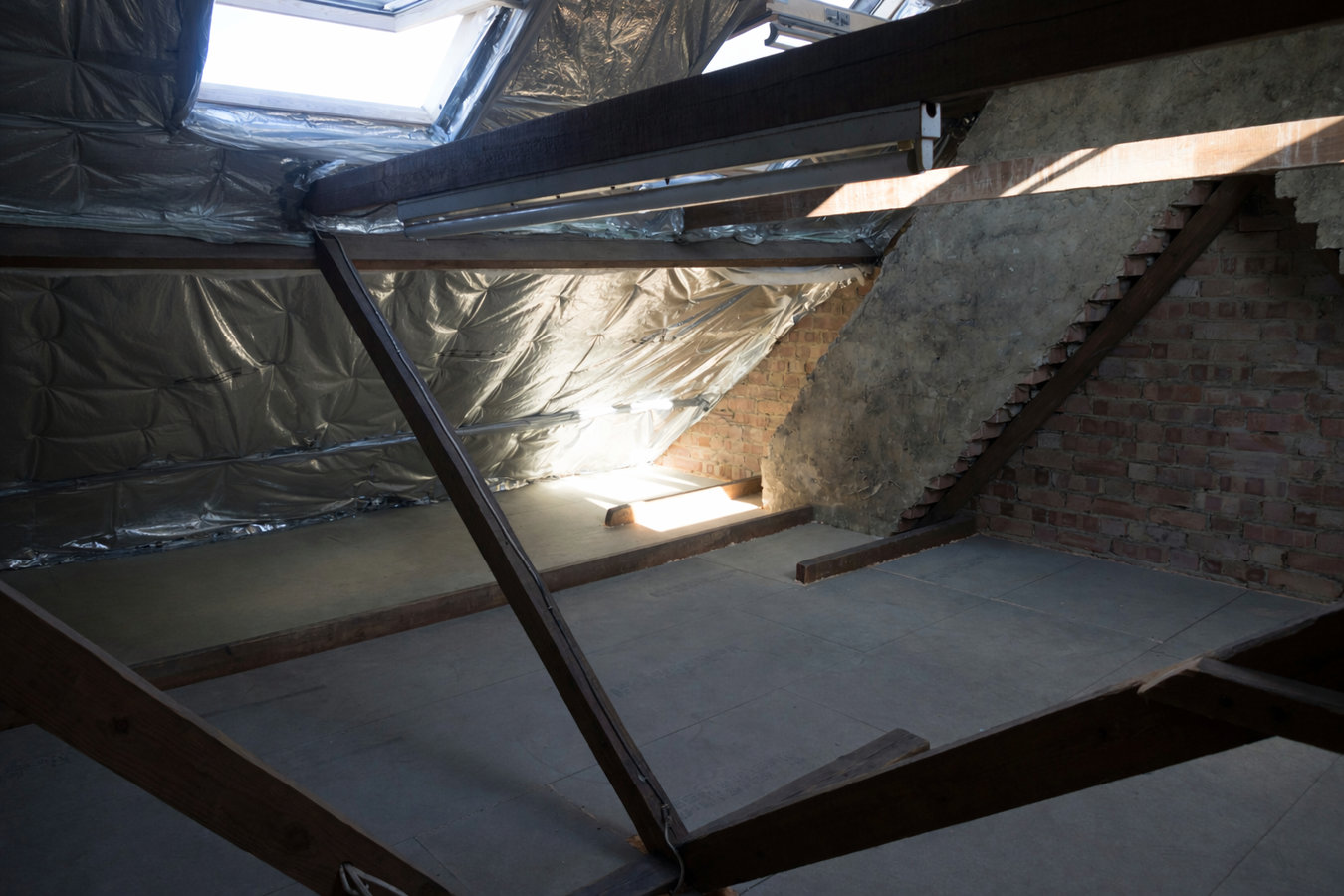
Ranch homes and split-levels in Coal Valley were built with attics that often hold only a few inches of original insulation - nowhere close to what the current Illinois energy code requires. Attic insulation upgrades to R-38 or R-49 are the most effective single step most Coal Valley homeowners can take to cut heating and cooling costs and make their home feel right in every season.
Full basements are standard in Coal Valley's postwar ranch homes, and most of them have uninsulated concrete walls that pull heat out of the living space all winter. Insulating the basement walls and rim joists converts what is often the coldest part of the house into a thermal asset and reduces the load on the heating system.
Split-level homes in Coal Valley often have partial crawl spaces under lower-level sections where cold air accumulates and floor temperatures suffer. Crawl space insulation and sealing under these areas keeps floor surfaces comfortable and prevents the cold-floor problem that is one of the most common complaints in split-level homes.
Coal Valley homes from the 1950s through 1970s were built without the airtight construction methods used today. Gaps around plumbing stacks, wiring penetrations, and top plates allow conditioned air to escape and cold outdoor air to enter all winter long. Air sealing before insulation ensures the full R-value of the insulation material is actually delivered inside the living space.
Blown-in cellulose or fiberglass is well suited to Coal Valley attics because it installs fast, fills irregular attic framing completely, and does not require removing finished ceiling material. For older Coal Valley homes where wall cavities have no insulation, dense-pack blown-in adds coverage with minimal disruption to the interior.
Rim joists on Coal Valley ranch homes and basements are one of the most consistent sources of heat loss and cold-air infiltration in this housing type. Closed-cell spray foam applied to the rim joist band provides a combined air seal and insulation layer that stops heat loss at the point where the foundation wall meets the floor framing - a gap most older homes never had properly addressed.
Coal Valley's housing stock is dominated by ranch homes and split-levels built between the 1950s and 1980s, a period when energy efficiency standards were minimal and insulation was often installed as an afterthought. Most of these homes have full basements, concrete block or poured foundations, and low-pitched attics that were never intended to reach the R-values that current Illinois residential code requires. Coal Valley winters deliver the same hard freezes as the rest of the Quad Cities - the National Weather Service Quad Cities office tracks January temperatures that regularly fall into single digits, with ground frost penetrating 24 to 36 inches or more. A ranch home with a shallow attic and uninsulated basement walls works its heating system far harder than it should under those conditions.
The clay-heavy soil throughout Rock Island County - which includes Coal Valley - does not drain the way sandy or loam soil does. According to the USDA Web Soil Survey, this soil expands when wet and contracts when dry, a cycle that puts pressure on foundation walls and basement slabs year after year. Heavy spring rains cause the water table to rise, which pushes moisture toward basement walls and crawl space floors. Coal Valley homes that were never given adequate basement insulation or vapor protection are the most vulnerable to the cold, damp conditions this cycle produces.
Our crew works throughout Coal Valley regularly, and we understand the local conditions that affect insulation work here. The village sits just southeast of Moline along 78th Avenue, and most of the homes we work on are ranch-style or split-level construction from the postwar decades - the exact property type our team handles every week across Rock Island County. We know what the attics and basements in these houses look like before we arrive, because we have been in hundreds of them in this neighborhood.
Coal Valley is home to Niabi Zoo, one of the Quad Cities' most recognized attractions, sitting near the center of the village. Many Coal Valley families also have ties to John Deere, headquartered just a few miles up the road in Moline - the region's largest private employer. These are working families with busy schedules who need a contractor that shows up on time, explains what needs to be done, and finishes the job cleanly.
Coal Valley neighbors some of the communities we serve most often. Homeowners in Davenport across the river and in Milan to the south face similar housing-stock and climate conditions, and our crews work across all three communities throughout the year.
Get in touch by phone or online form and we will respond within one business day. We ask a few basic questions about your home so we arrive prepared for the estimate visit.
We visit your Coal Valley home, inspect the attic, basement, and any crawl spaces, and provide a written estimate. No pressure - the estimate is free and comes with a clear breakdown of what we recommend and what it costs.
Once you approve the work, we schedule the installation at a time that fits your day. Most Coal Valley attic jobs are done in a single visit. Larger basement or multi-zone projects may take two days.
We walk you through the completed work before we leave so you can see exactly what was installed. Our work is backed by a satisfaction guarantee - if something is not right, call us and we come back.
We serve Coal Valley and all of Rock Island County. No obligation, no high-pressure sales - just a straightforward assessment of what your home needs and what it will cost to fix it.
(309) 865-0097Coal Valley is a low-density residential village in Rock Island County with roughly 3,800 residents, sitting just southeast of Moline and east of Rock Island. It is part of the Quad Cities metro area but has a distinctly suburban, neighborhood feel - almost entirely single-family homes on moderate lots, with no major commercial corridor and very little rental housing. The village is served by the Hampton School District, and many households here are families who have been settled in the area for years and maintain their properties accordingly. Owner-occupancy rates are high compared to nearby urban communities. Niabi Zoo, one of Rock Island County's most visited attractions, is located within the village boundaries and is a familiar landmark for anyone who grew up in the Quad Cities.
The housing stock is dominated by ranch-style and split-level homes built between the 1950s and 1980s, when the Quad Cities region was growing steadily on the strength of manufacturing and agriculture. Many exteriors feature brick veneer on the lower half, with vinyl or aluminum siding above - a common combination for suburban Illinois construction from this era. Full basements are standard, and most homes have attached garages and concrete driveways that have been through decades of Rock Island County winters. Homeowners considering upgrades in nearby Milan will recognize many of the same housing types and insulation challenges found throughout Coal Valley - the two villages share nearly identical building stock and climate conditions.
Creates an airtight seal that dramatically cuts heating and cooling costs.
Learn MoreFills every gap and cavity for consistent, whole-home thermal coverage.
Learn MoreHigh-density foam that adds structural strength along with superior R-value.
Learn MoreLightweight expanding foam ideal for interior walls and sound control.
Learn MoreCommercial-grade insulation solutions that meet building codes and cut overhead.
Learn MoreBlocks ground moisture before it damages your home from underneath.
Learn MoreProfessional vapor barrier installation for lasting moisture protection.
Learn MoreUpgrades insulation in existing walls and spaces without major renovation.
Learn MoreDecades of Rock Island County winters take a toll on ranch homes and split-levels - call East Moline Insulation and find out exactly what your home needs with a free, no-obligation estimate.